


When it comes to moving high-value cargo, whether pharmaceuticals, specialty foods, or temperature-sensitive biotech materials, freight forwarders can’t afford mistakes. A delayed delivery or a break in the cold chain can mean millions in losses, not to mention reputational damage and breaking of regulations.
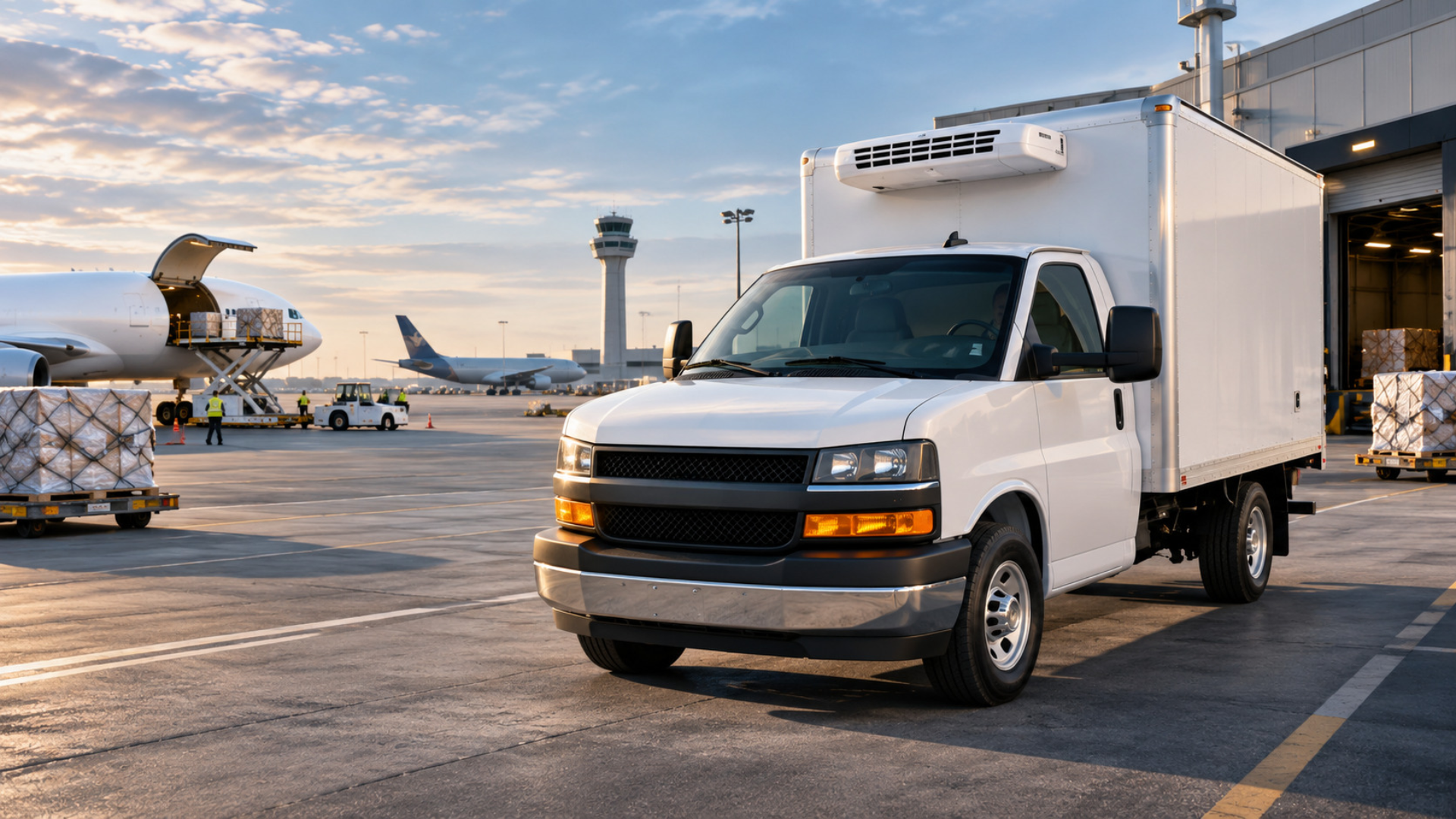
That’s why many forwarders are turning to small reefer vans as a smarter alternative to traditional large trucks. These vehicles provide a balance of speed, security, and precision that bigger fleets can’t always deliver.
Why Smaller Vehicles are Chosen Over Big Trucks
Big trucks have their place in the logistics chain, but for high-value shipments, they often come with drawbacks. Larger vehicles are less flexible in urban areas, harder to schedule on short notice, and can expose shipments to higher risks of tampering due to extended dwell times. In contrast, small reefer vans can easily maneuver through congested cities, access tight delivery zones, and operate with quicker dispatch cycles. This agility is especially important for high-value cargo, where timing and control are critical.
Another factor is shipment size. High-value cargo often moves in smaller quantities, making full truckloads unnecessary and cost-inefficient. Smaller reefer vans allow forwarders to scale transportation according to actual load, reducing costs without compromising service quality and boosting the cold chain.
Benefits of Smaller Reefer Vehicles for Value Cargo Transportation
For freight forwarders, the benefits of small reefer vans go beyond just convenience:
- Enhanced security. Smaller vehicles reduce transfer points, lowering the risk of theft or tampering.
- Precise temperature Control. With less cubic space to regulate, smaller vans maintain temperature consistency more efficiently, ensuring product integrity.
- Faster turnaround. Shorter loading and unloading times mean reduced exposure of sensitive goods.
- Greater availability. Vans are more flexible in dispatching on demand, ideal for last-minute or urgent shipments.
- Cost-effectiveness. For smaller, high-value loads, forwarders avoid paying for unused truck space.
This combination of security, speed, and precision explains why small reefer vans are quickly becoming the preferred option for safeguarding valuable freight.
RVN Has Prepared a Fleet of Small Reefer Vehicles for Your Needs
Reefer Van Network has built a fleet specifically designed for the demands of high-value cargo transport. Our small reefer vans are equipped with advanced temperature monitoring systems, GPS tracking, and secure handling protocols to protect every load. Whether it’s pharmaceuticals requiring exact cold chain compliance or specialty perishables that can’t risk delays, RVN provides refrigerated delivery services with the confidence and reliability our clients need.
If you’re a freight forwarder looking for a trusted partner to move high-value cargo, RVN’s specialized reefer van network is ready to deliver precision, security, and peace of mind.
Back to blogYou may also be interested in
Master Air Waybill to Road Handoff Documentation
Keeping Shipment Identity and Documentation Intact During Air-to-Road Transfers A reliable air-to-road handoff connects the Master Air Waybill (MAWB) to the exact freight, collection authorization, and shipment record for the road leg. Without that connection, an air shipment may be fully documented while its onward transportation remains unclear. For temperature-sensitive cargo, the accuracy of this […]

FSMA 204 Traceability Records for Refrigerated Food Shipments
What Food Businesses Need to Document Between Shipping and Receiving FSMA 204 requires covered food businesses to connect individual food lots to documented events throughout the supply chain, including shipping and receiving. For refrigerated shipments, that means maintaining traceability even when multiple products or lots travel together in the same truck. A delivery confirmation can […]