





Why After-Hours Capacity Still Needs Full Verification Weekend refrigerated freight often involves elevated risk: urgent capacity decisions, reduced office coverage, and less time to resolve inconsistencies before the load moves. Fraudsters see opportunity when normal verification becomes slower, fragmented, or less formal. Verisk CargoNet has repeatedly identified long weekends as periods of elevated cargo-theft exposure. […]

Why Right-Sized Refrigerated Equipment Can Lower Operating Costs For refrigerated loads of 0–14 pallets, transportation economics depend on more than the quoted rate. The real comparison is whether the service adds handling, delay, or vehicle size that the shipment does not need. For temperature-sensitive freight, a cheaper line item may become an expensive move when […]
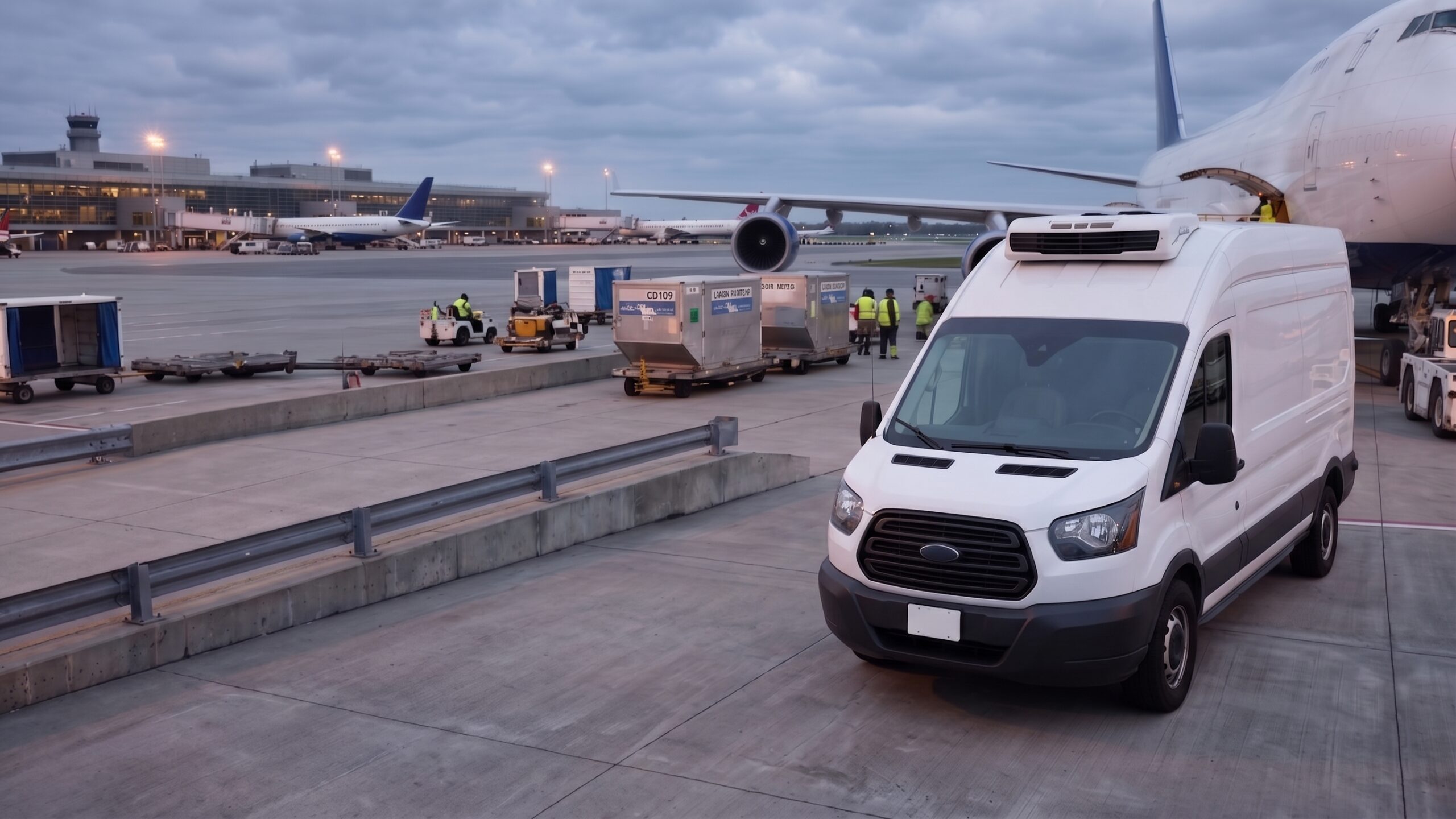
Why ULD Breakdown – not Flight Arrival – Determines Truck Dispatch Timing A flight’s arrival time tells you when the aircraft reaches the airport. It does not tell you when the freight is ready for a truck. For time- and temperature-sensitive cargo, that distinction can determine whether a pickup runs efficiently or turns into hours […]
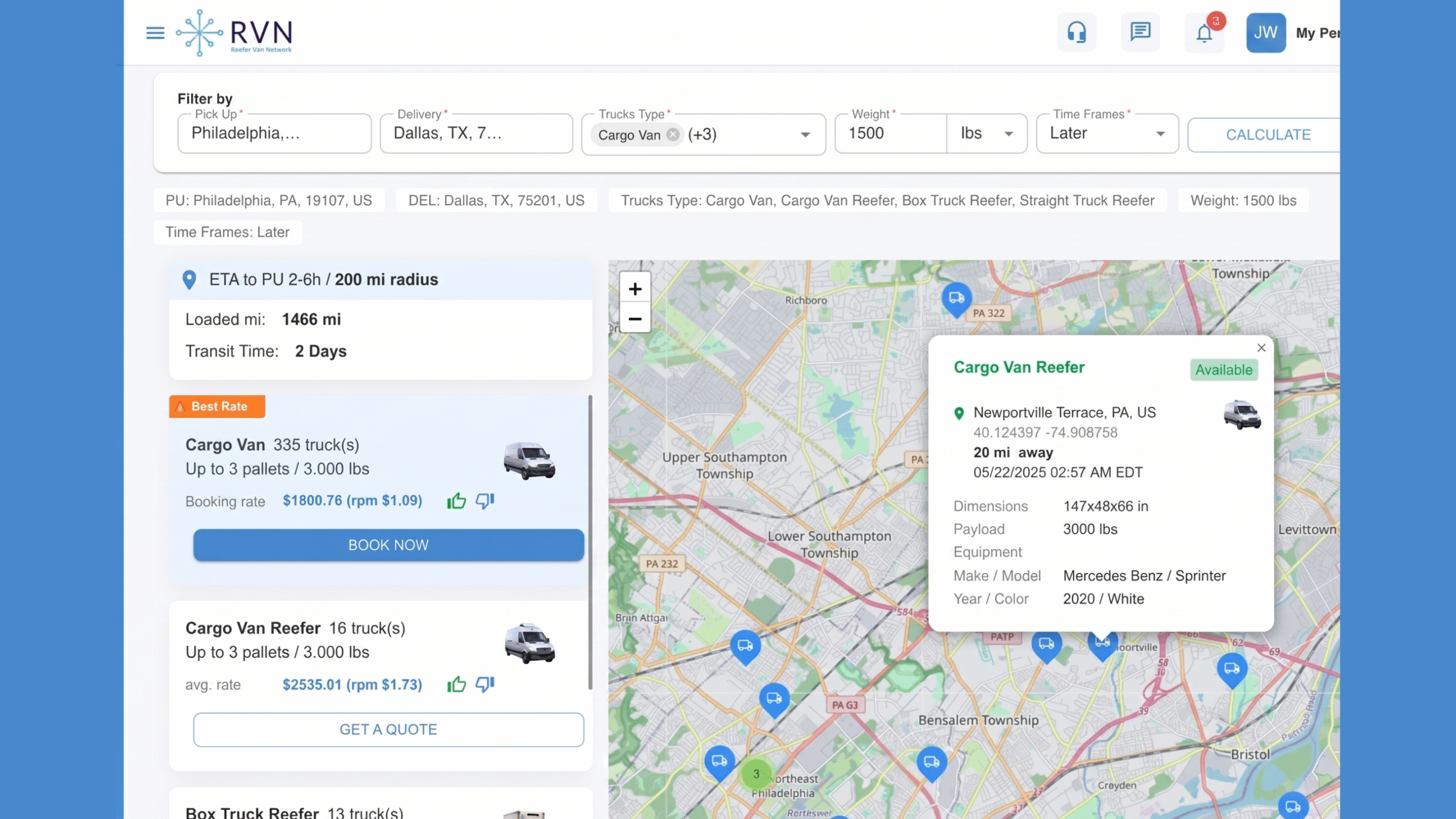
A reefer rate confirmation should function as an operating instruction, not merely a record of price, lane, and appointments. If the document says only “keep frozen” or “maintain 35°F,” the truck may arrive with the right equipment and still receive incomplete instructions. The result is predictable: different expectations at loading, conflicting temperature evidence at delivery, […]
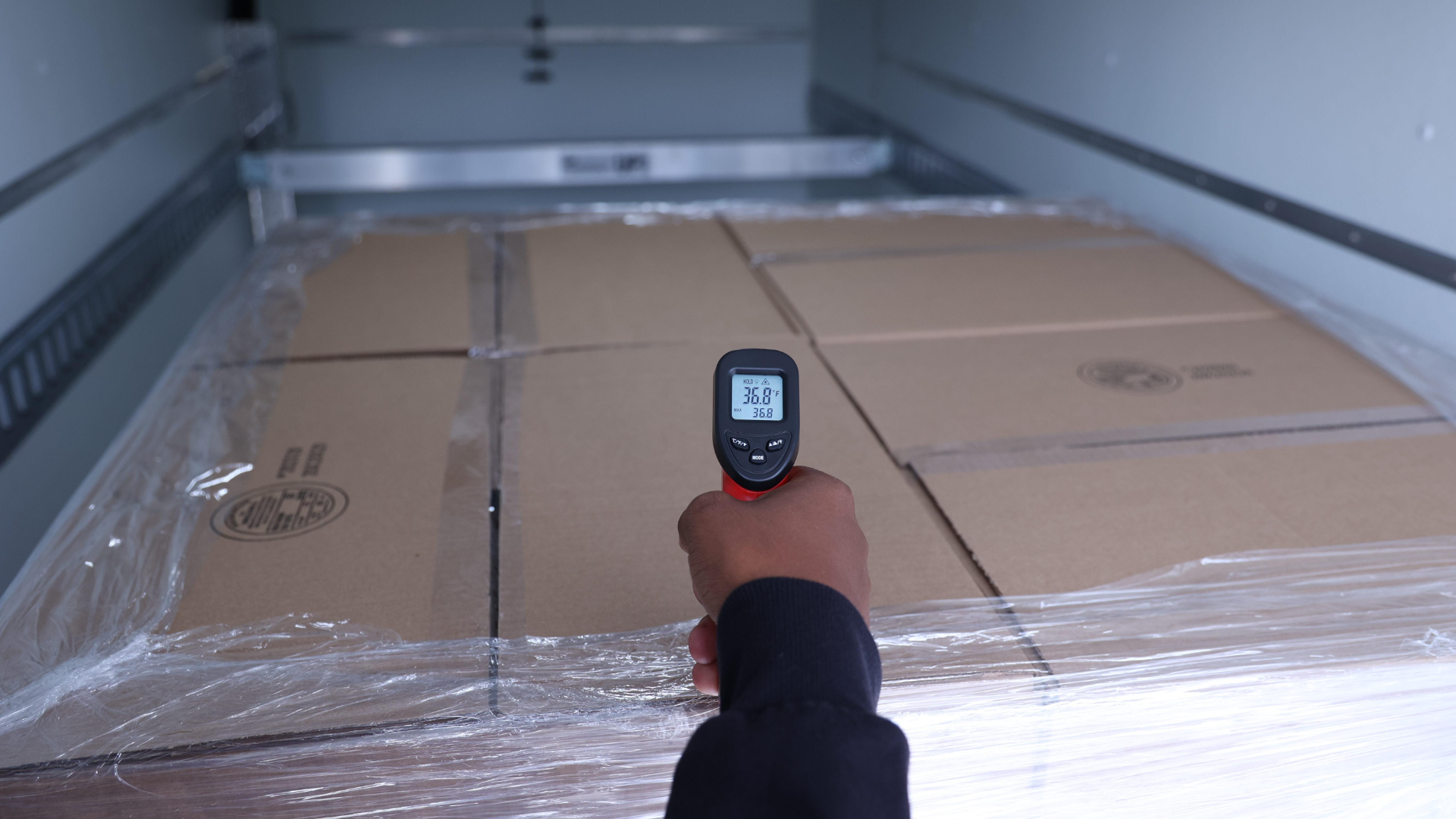
Why a “Good” Reefer Reading Can Still End in Rejection A reefer setpoint records the unit’s target; product temperature shows the condition of the load. Treating those numbers as interchangeable can leave a shipment with a clean equipment record and a rejection at delivery. The conflict begins because setpoint, supply air, return air, cargo-space air, […]
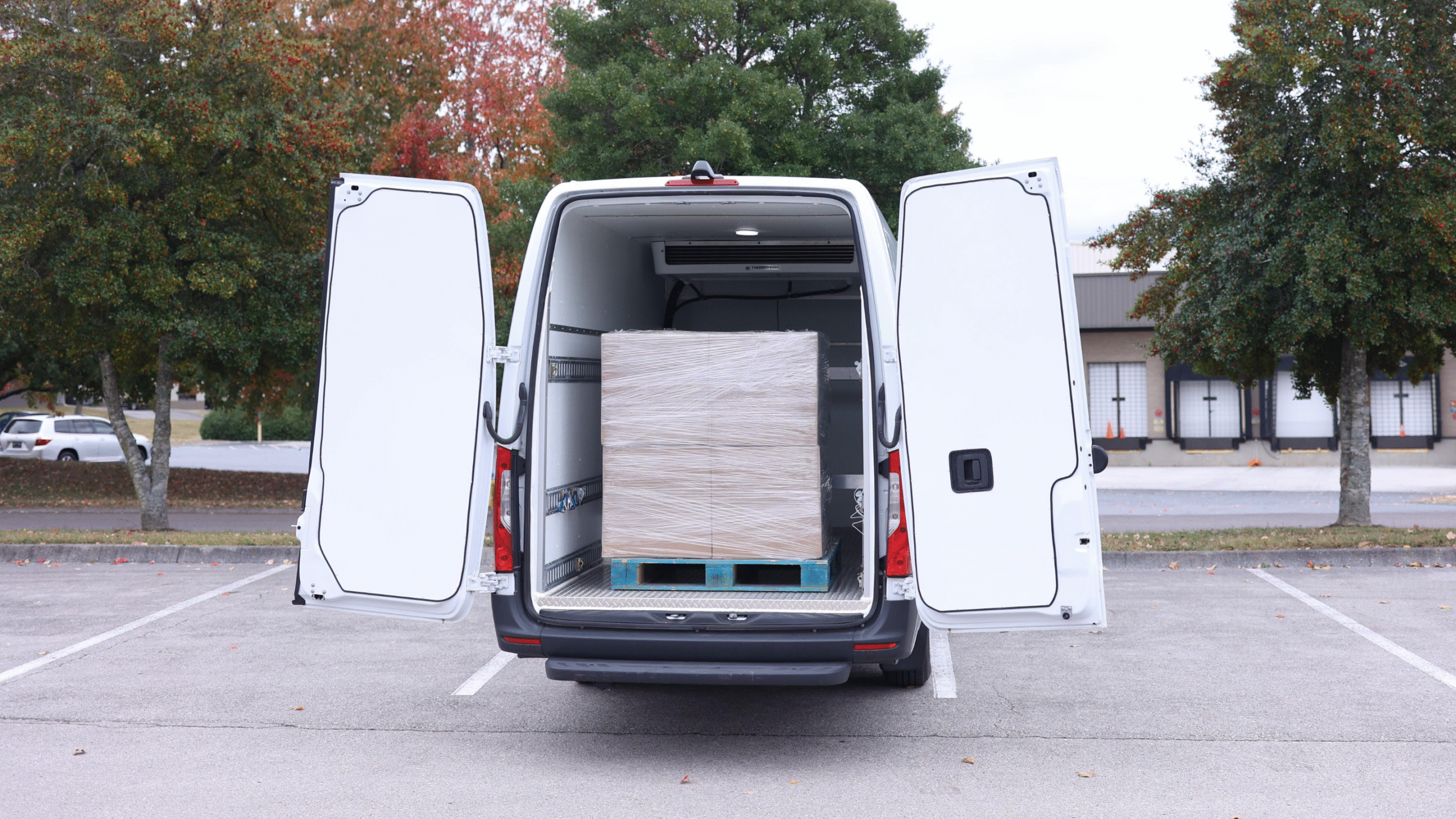
Every open-door minute exposes refrigerated freight to outside air and weakens the controlled cargo environment. The first change usually appears in the air near the opening. The larger risk comes from repeated or prolonged exposure: added heat, disrupted airflow, longer recovery time, and temperature data that may be difficult to explain at delivery. For perishables, […]