



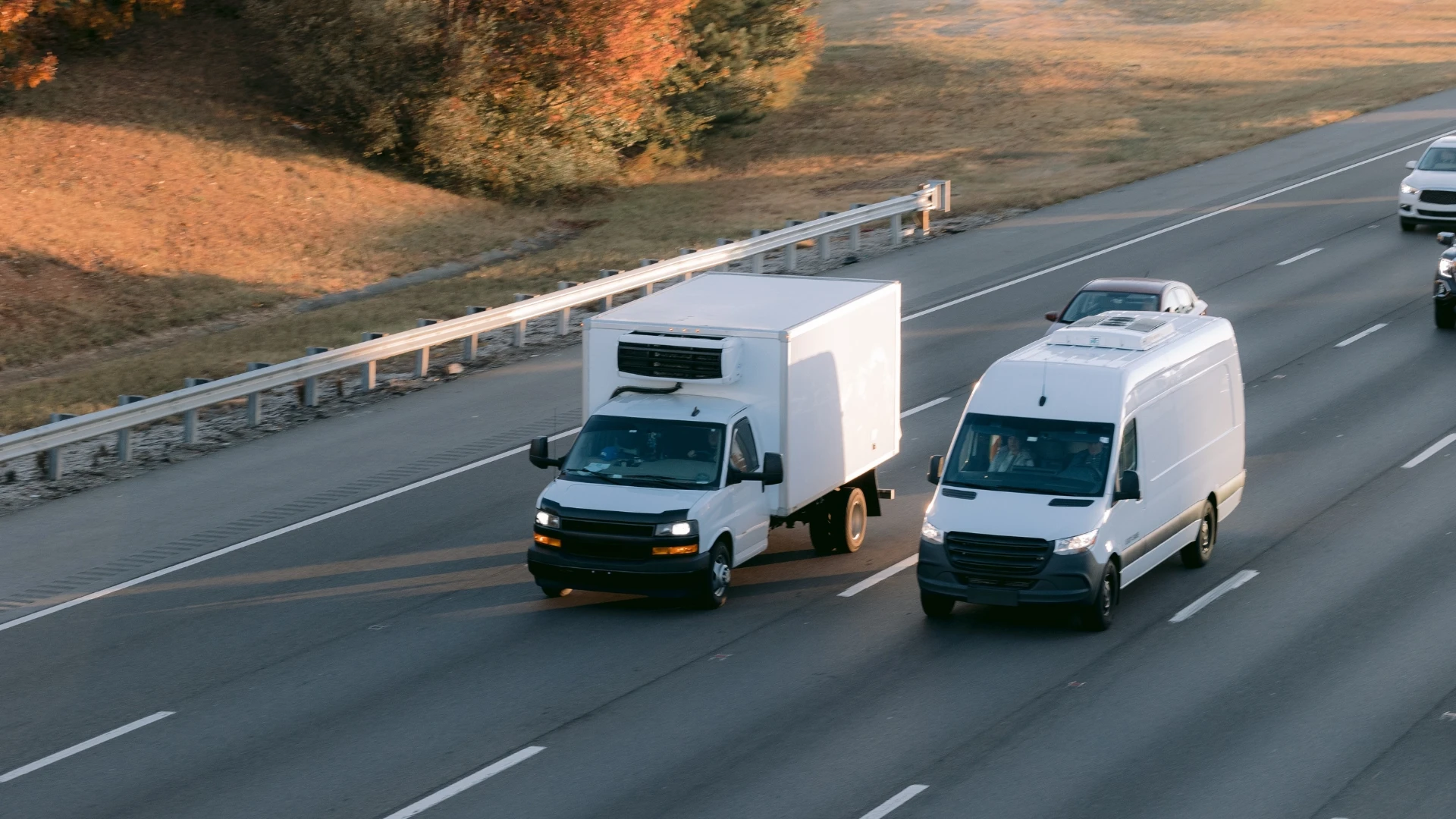
Managing a cold chain efficiently is critical for businesses dealing with temperature-sensitive products like pharmaceuticals, dairy, seafood, and frozen foods. Even minor breakdowns in the supply chain can lead to product spoilage, loss of revenue, and reputational damage. With the growing demand for timely and intact deliveries, mastering cold chain logistics is more important than ever. This guide will explore what modern cold chain logistics involves, tips to improve your operations, and why partnering with the right logistics provider can make all the difference.
What Is Modern Cold Chain Logistics?
Modern cold chain logistics refers to the advanced, end-to-end management of temperature-sensitive goods throughout the supply chain — from production to final delivery. It involves integrating technology, specialized vehicles, insulated packaging, and strict monitoring to maintain optimal temperature conditions. Unlike traditional logistics, the cold chain requires precise control, real-time tracking, and robust contingency planning to prevent even the slightest temperature excursions.
Technological advancements, such as IoT-enabled temperature sensors, cloud-based tracking, and automated alerts, have transformed cold chain logistics into a more data-driven, reliable, and responsive process.
Tips
Use Real-Time Monitoring Systems
Invest in sensors and IoT technology to monitor temperature, humidity, and location in real time. This will enhance transparency and allow for immediate corrective actions when issues arise.
Prioritize Preventive Maintenance
Regular maintenance of cold storage units and refrigerated vehicles ensures consistent performance and prevents unexpected breakdowns during transit.
Train Your Staff
Employees who are involved in handling temperature-sensitive goods must be thoroughly trained in cold chain protocols, including loading/unloading procedures and handling emergencies.
Choose the Right Packaging
Use insulated and thermal packaging materials to ensure temperature stability during storage and transit. Packaging must suit the specific needs of your goods, such as moisture control or shock resistance.
Plan Routes Strategically
Optimize delivery routes to minimize travel time, reduce fuel consumption, and avoid delays. Use route planning software to adapt to real-time conditions like traffic and weather.
Establish Backup Systems
Power failures and mechanical issues can occur. Always have contingency plans like backup generators, alternative transport options, or emergency storage facilities.
Stay Compliant with Regulations
Understand and adhere to regulatory standards such as HACCP, FDA, or EU guidelines, depending on your industry and location.
Significance of a Good Logistics Partner for a Business That Deals with Frozen Goods
A capable logistics partner can make or break your cold chain. They bring expertise, infrastructure, and technology that most businesses cannot easily build on their own. The right partner ensures reliable temperature control, reduces product loss, and boosts customer satisfaction.
Moreover, experienced cold chain providers can adapt to regulatory requirements, manage customs efficiently, and scale with your business growth. By outsourcing to a specialized provider, businesses can focus more on core operations and less on logistics headaches.
Choose Reefer Van Network
Reefer Van Network offers a comprehensive cold chain logistics solution tailored to the unique needs of businesses handling frozen and temperature-sensitive products. With a fleet of well-maintained refrigerated vehicles, advanced monitoring systems, and nationwide coverage, we ensure your goods are transported safely, timely, and in perfect condition.
Our team understands the critical importance of temperature control and timely delivery. Whether you need regular transport or emergency support, Reefer Van Network stands ready to be your reliable logistics partner. Choose quality. Choose dependability. Choose Reefer Van Network.
Back to blogYou may also be interested in
Reefer Breakdown Recovery and Chain of Custody
Why recovery has to protect both the freight and the record of what happened A reefer breakdown changes more than the transportation plan. Once temperature control or vehicle movement is disrupted, the recovery process has to protect the freight while preserving a clear record of who controlled it, where it moved, and what conditions surrounded […]
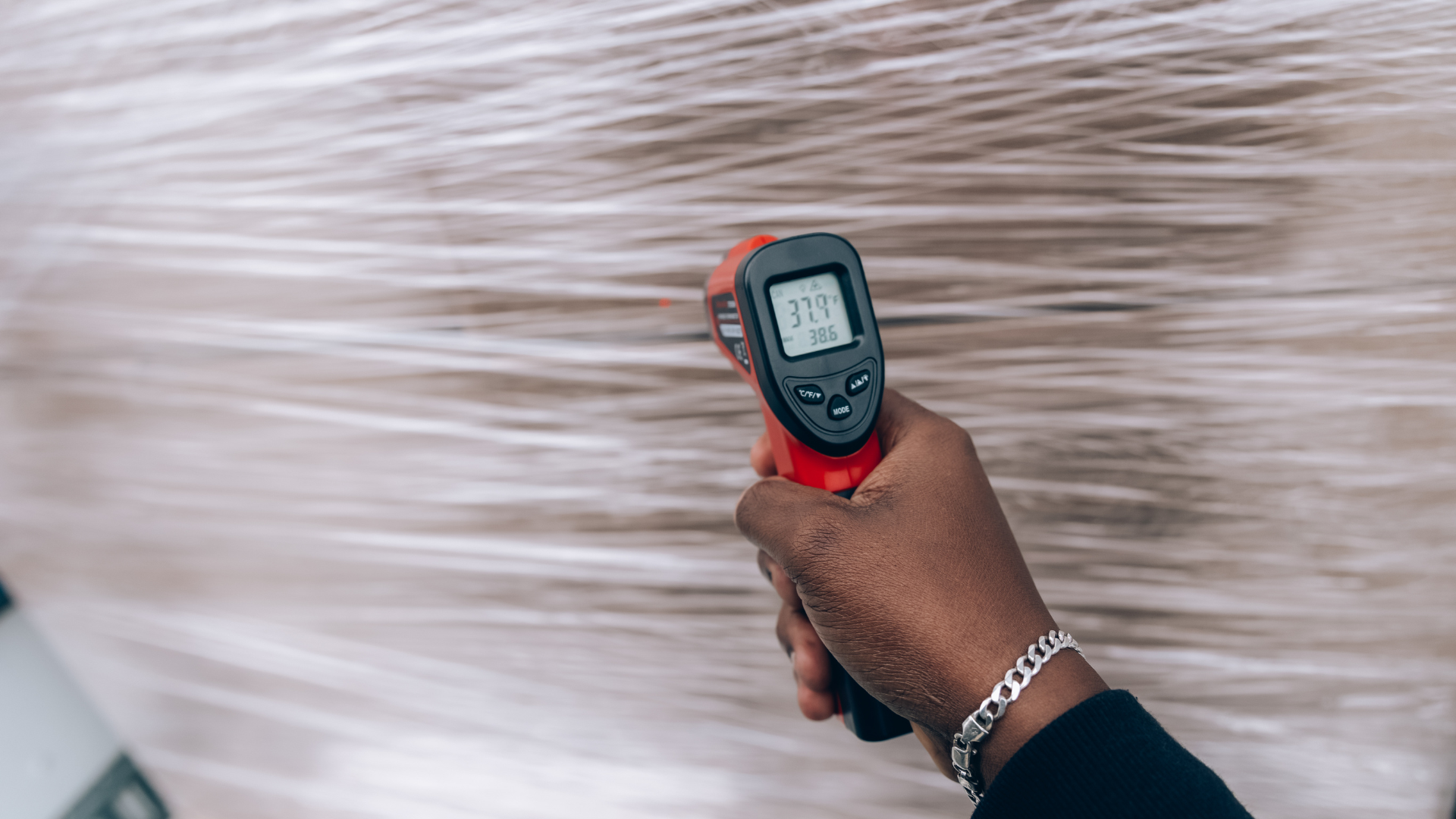
Temperature Mapping Inside a Refrigerated Box Truck
How a Spatial Temperature Profile Supports Vehicle Qualification and Loading Decisions Temperature mapping turns the interior of a refrigerated box truck into a measured space. Instead of evaluating the vehicle from one temperature location, the exercise identifies where the payload area tends to run hottest, coldest, or otherwise requires closer attention under defined test conditions. […]