



The First 30 Minutes: Pre-Cooling and Dock Coordination That Protect Perishables
7 Jul 2026
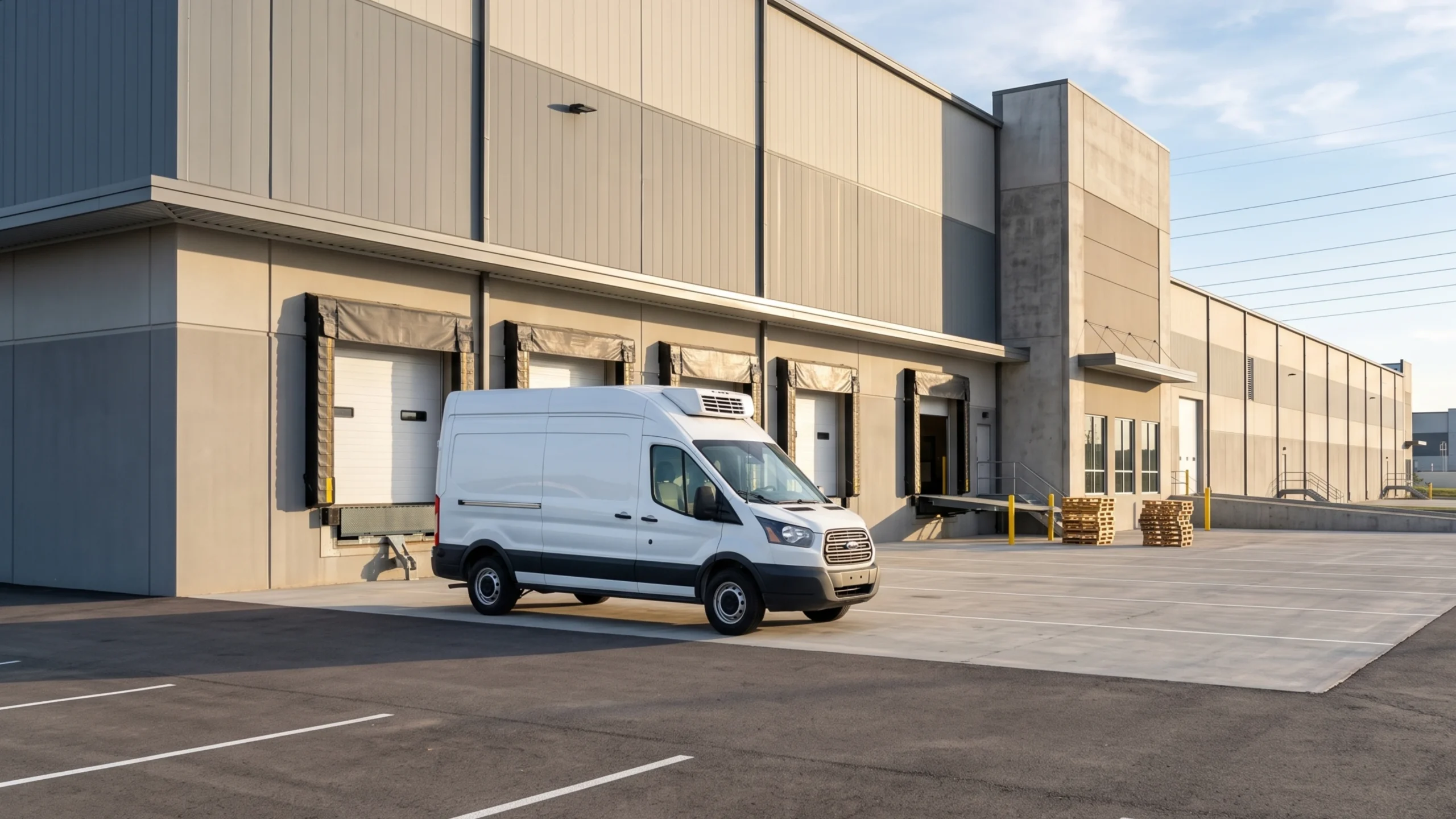
The first 30 minutes of a refrigerated pickup can decide the outcome of the whole shipment. Not because the truck has traveled far–it hasn’t–but because the product, vehicle, dock, doors, and timing all meet at the same moment. If the equipment is warm, the dock is not ready, the load waits in open air, or the doors stay open too long, temperature risk starts before the route begins.
The 2019 USDA AMS-funded guide on perishable food transport explains that even short periods of abuse during loading, transit, or unloading accumulate and cause meaningful quality loss by the time the product reaches its destination.
Pre-cooling is not the same as cooling the product
One common mistake is treating the refrigerated vehicle as a rescue tool. A transport refrigeration unit maintains the required climate during a move; it cannot quickly cool the internal temperature of warm products.The transport guide is direct on this: products should be pre-cooled to the specified temperature before loading because transit vehicles are not designed to effectively cool cargo.
What the first 30 minutes should control
A strong pickup process answers a few questions before loading starts:
Is the required temperature clear?
Is the vehicle in the right condition before arrival or before loading?
Is the dock ready?
Is the product staged correctly?
Is loading planned to reduce door-open time?
Is there a record showing the shipment started under control?
FDA’s sanitary transportation rule points the same direction. Vehicles and equipment used for temperature-controlled food must be designed, maintained, and equipped to provide adequate temperature control, and the operating temperature—including the pre-cooling phase when necessary—should be specified in writing. That is operational discipline, not just regulatory language.
Dock coordination: where temperature control gets real
Pre-cooling is all for naught if the dock process is chaotic. The goal is not simply to load fast. It is to load in a controlled way.
A good dock plan includes:
- confirmed pickup time and dock availability;
- product staged before the vehicle doors open;
- clear temperature instructions;
- quick inspection of vehicle condition;
- loading order that protects airflow;
- minimized door-open time;
- immediate departure once loading is complete.
The guide warns that loading in hot, humid, open environments is poor practice and recommends refrigerated loading docks with protected connections where possible. Open, humid conditions can create condensation, wet cartons, frost, and temperature abuse. Dock coordination is no minor detail. It is an essential part of the temperature-control plan.
Keep meticulous records
When a shipment is rejected, the most common question is what happened in transit. But the more relevant question is often what happened before departure.
FDA’s rule requires loaders to verify that mechanically refrigerated compartments are adequately prepared, including proper pre-cooling when necessary, and carriers may need to demonstrate temperature maintenance using loading and unloading measurements or time-and-temperature data. A clean loading record helps prevent disputes. It shows the shipment started correctly, not just that it arrived with a problem.
How RVN protects those crucial first minutes
Reefer Van Network reduces uncertainty before the vehicle arrives. The RVN Customer Portal lets you quote, book, and track shipments in one workflow, aligning pickup location, timing, equipment type, temperature requirements, and live tracking from dispatch to delivery.
RVN also matches equipment to the load. For smaller and mid-sized perishable shipments, a dedicated reefer van, box truck, or straight truck is supplied instead of an oversized trailer. This means less unused space, less handling, less door open time, less coordination complexity.
But the larger benefit is control. RVN combines real-time GPS visibility, temperature reporting, vetted capacity, and 24/7 support, so if timing changes, a dock isn’t ready, or a shipment needs attention during the first road miles, a team and a visibility layer stand behind the move. The first 30 minutes are rarely protected by speed. They’re protected by high quality procedures.
Practical Takeway
Perishable freight should not start with improvisation. The product should be in the correct condition before loading, the vehicle pre-cooled as required, the dock ready, and the loading process short, controlled, and well-documented. When those steps are loose, the risk begins before the truck leaves.
Back to blogYou may also be interested in
Reefer Breakdown Recovery and Chain of Custody
Why recovery has to protect both the freight and the record of what happened A reefer breakdown changes more than the transportation plan. Once temperature control or vehicle movement is disrupted, the recovery process has to protect the freight while preserving a clear record of who controlled it, where it moved, and what conditions surrounded […]
Temperature Mapping Inside a Refrigerated Box Truck
How a Spatial Temperature Profile Supports Vehicle Qualification and Loading Decisions Temperature mapping turns the interior of a refrigerated box truck into a measured space. Instead of evaluating the vehicle from one temperature location, the exercise identifies where the payload area tends to run hottest, coldest, or otherwise requires closer attention under defined test conditions. […]