



Insurance Reality Check: What Cargo Policies Often Exclude on Temperature Claims
20 May 2026
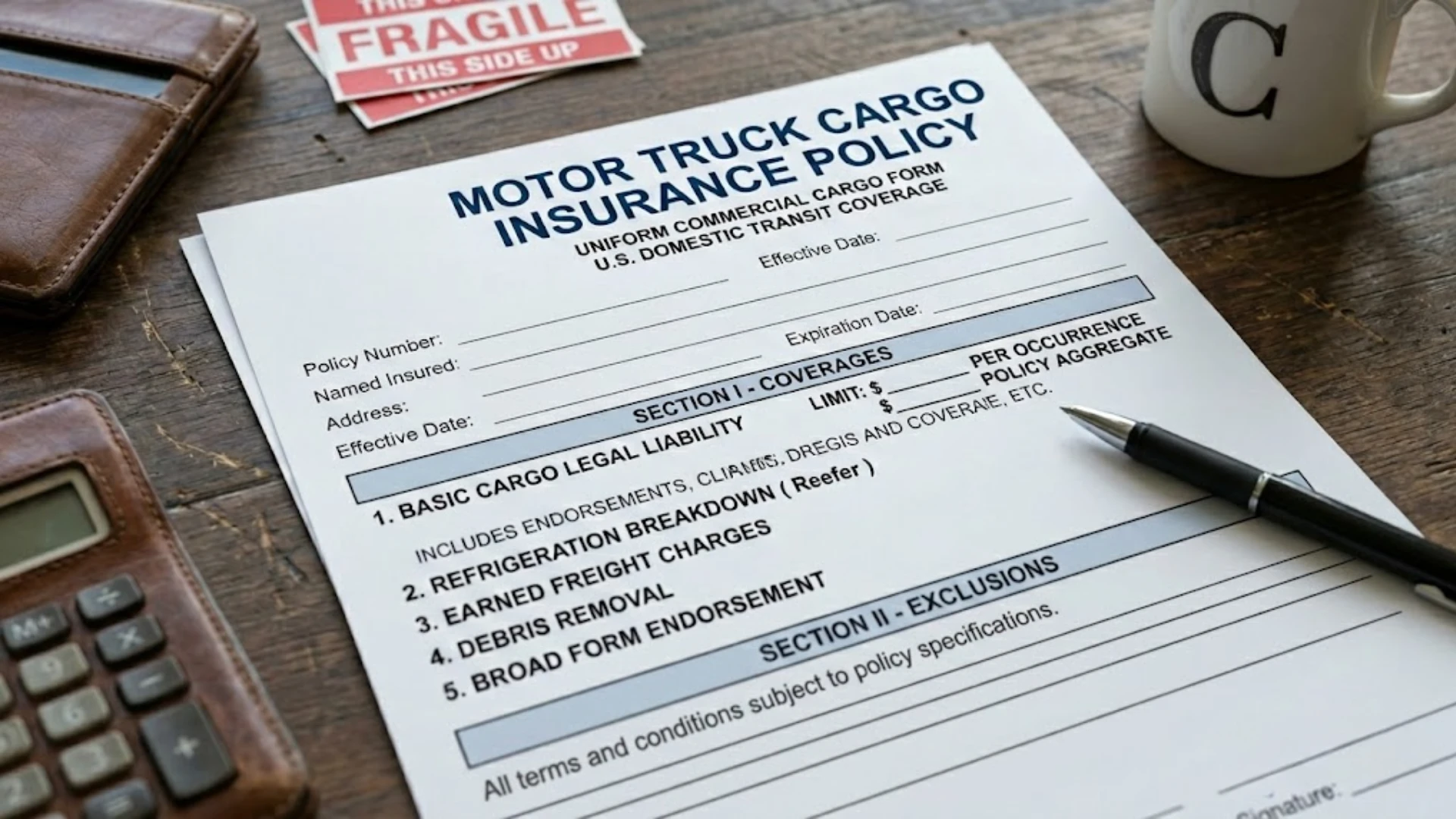
Temperature claims create some of the most expensive disputes in transportation because the loss is often obvious to operations but less obvious to insurance. A receiver rejects a load. A customer says the shelf life is gone. A data logger shows an excursion. Everyone agrees there is a problem, yet coverage still becomes uncertain.
The first reality check is basic but important: in the U.S., general freight motor carriers usually are not federally required to file cargo insurance with FMCSA. Cargo filings are required for household-goods carriers and household-goods freight forwarders, while most other cargo programs are driven by contracts, shipper requirements, and whatever policy language the carrier or customer actually bought. That means “they have cargo insurance” tells you far less than many people assume.
Why temperature claims are harder than ordinary cargo claims
Temperature losses do not always look like a collision claim or a theft claim. Many are a mix of delay, handling, equipment, and product sensitivity. The insurance problem starts there. Many cargo forms cover direct physical loss or damage, but temperature claims often involve reduced shelf life, customer rejection, or quality deterioration rather than obvious physical destruction. And many policies exclude deterioration due to delay, inherent vice, spoilage, and temperature change unless specific reefer or spoilage coverage is added back by endorsement.
That gap matters even more in food and pharma. FDA’s sanitary transportation rule is built around preventing failure to properly refrigerate food, using suitable equipment, and maintaining records, because temperature control during transit is a safety issue, not just a service issue. When the product is regulated or highly perishable, weak documentation can become both an operational problem and an insurance problem.
What cargo policies often exclude on temperature claims
1. Temperature change itself, unless reefer coverage was specifically added
One of the biggest surprises in reefer claims is that many base cargo policies do not automatically cover spoilage from temperature change. Many motor truck cargo and contingent cargo policies exclude deterioration due to spoilage and temperature change unless the insured purchased separate reefer coverage. A shipper’s-interest policy used in the U.S. market shows the same structure: change in temperature or humidity is excluded, except where the change was caused by the sudden and accidental breakdown of refrigeration or heating units.
2. Delay, shelf-life erosion, and loss of market
A load can arrive “cold” and still be commercially damaged because too much usable life was lost in transit. Insurance does not always respond to that kind of loss. Cargo wording commonly excludes deterioration arising from delay and also excludes loss of market. So if the argument is mainly that the product arrived too late, sold short-dated, or was no longer commercially viable, coverage can become much harder than stakeholders expect.
3. Inherent vice or the natural characteristics of the product
Perishables deteriorate by nature. Insurers often rely on “inherent vice” exclusions when the cargo’s own nature contributed to the loss. In practical terms, that means the insured may have to prove the loss came from a covered transportation event, not simply from the product’s natural tendency to ripen, decay, dehydrate, or lose quality over time. Both specialty cargo commentary and cargo policy wording commonly flag inherent vice as excluded.
4. Improper packing, loading, or preparation
Another common fault line is whether the damage really came from transit or from how the load was prepared. Cargo forms frequently exclude loss caused by insufficient or unsuitable packing or preparation when that packing was done by the insured or before the insurance attached. On temperature claims, that issue can show up as blocked airflow, bad pallet pattern, warm product at loading, or packaging that could not withstand the ordinary incidents of transit.
5. Mechanical breakdown coverage that is narrower than people think
Even when reefer breakdown coverage exists, it is often narrow. Specialty trucking insurance guidance notes that reefer breakdown endorsements typically respond to mechanical breakdown of the refrigeration unit, but often do not respond to driver negligence, user error, delays, or other non-breakdown causes. Some policies also impose waiting periods, maintenance requirements, parts-specific limitations, or age-related restrictions on reefer units. And the endorsement usually covers the spoiled cargo, not the repair of the reefer unit itself.
6. Commodity, documentation, storage, and transit restrictions
Temperature claims also fail for reasons that look administrative but matter legally. Some cargo programs, for example, list restrictions such as cargo stored for more than 72 hours, property in another carrier’s custody, items not listed on shipping documents, and certain commodity restrictions including pharmaceuticals. That does not mean every insurer uses the same rules. It does mean coverage can turn on declarations, commodity schedules, bills of lading, and whether the cargo remained “in transit” under the form.
7. Government action and regulatory disposal
Some policies also exclude seizure or destruction by order of governmental authority. That matters on temperature claims because a regulator, inspector, or customer QA team may condemn or dispose of product after an excursion. Operationally, the product is gone. Insurance-wise, the trigger may still depend on whether the form covers the underlying cause and whether government action is carved out.
What to check before a temp-sensitive load moves
For temperature-sensitive freight, the coverage review should happen before the load tenders, not after the claim. At a minimum, carriers, brokers, and shippers should confirm five things:
- whether temperature change, spoilage, and reefer breakdown are covered by endorsement;
- whether the policy requires a sudden and accidental equipment breakdown, a minimum outage period, or specific maintenance records;
- whether the commodity is covered at all, especially for pharmaceuticals, biologics, seafood, meat, or other sensitive classes;
- whether the form excludes delay, loss of market, improper packing, or cargo not shown on shipping documents;
- what evidence the insurer will expect, including set-point records, download data, maintenance logs, bills of lading, rejection reports, and salvage documentation.
The operational takeaway
Temperature insurance is not just an insurance-buying issue. It is an evidence issue. The stronger the transport controls, the easier it is to separate a covered equipment event from an excluded delay, packaging problem, or inherent-vice argument. That is why temperature monitoring, clean handoff records, documented set-points, pre-cooling, and clear chain-of-custody matter so much. They help protect the freight, and when something does go wrong, they help prove what actually happened. FDA’s transportation rule reinforces exactly that logic through its focus on equipment suitability, transportation operations, records, and training. The bottom line is simple: many U.S. cargo policies do not cover temperature claims as broadly as shippers, brokers, and even carriers assume. On reefer freight, the real question is never “Do we have cargo insurance?” It is “What exactly does the form cover, what does it exclude, and what proof will we need if temperature becomes the dispute?”
Back to blogYou may also be interested in
Reefer Breakdown Recovery and Chain of Custody
Why recovery has to protect both the freight and the record of what happened A reefer breakdown changes more than the transportation plan. Once temperature control or vehicle movement is disrupted, the recovery process has to protect the freight while preserving a clear record of who controlled it, where it moved, and what conditions surrounded […]
Temperature Mapping Inside a Refrigerated Box Truck
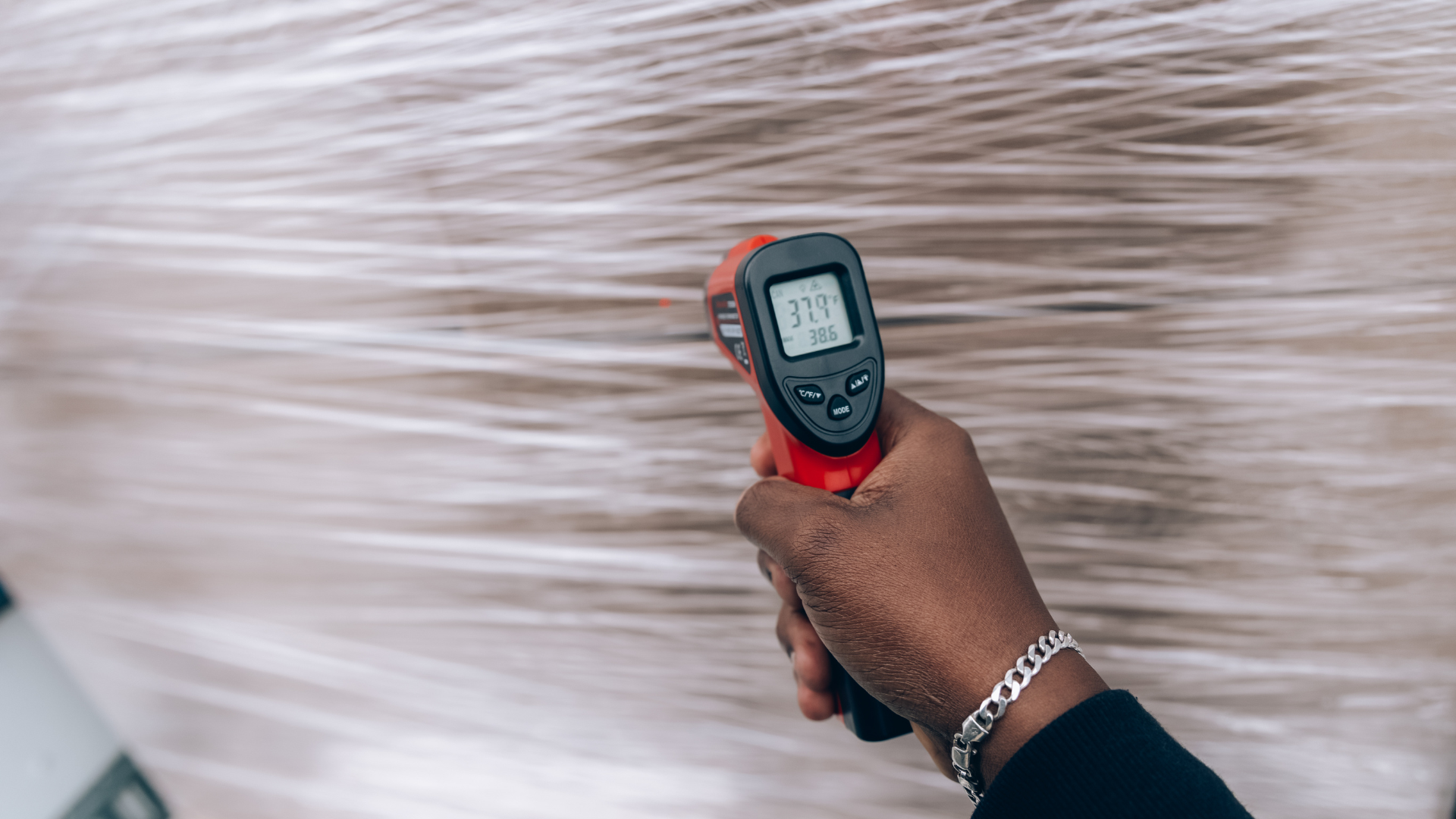
How a Spatial Temperature Profile Supports Vehicle Qualification and Loading Decisions Temperature mapping turns the interior of a refrigerated box truck into a measured space. Instead of evaluating the vehicle from one temperature location, the exercise identifies where the payload area tends to run hottest, coldest, or otherwise requires closer attention under defined test conditions. […]