



Short Shelf-Life Lanes: Designing a Regional Network That Protects Hours, Not Just Miles
13 May 2026
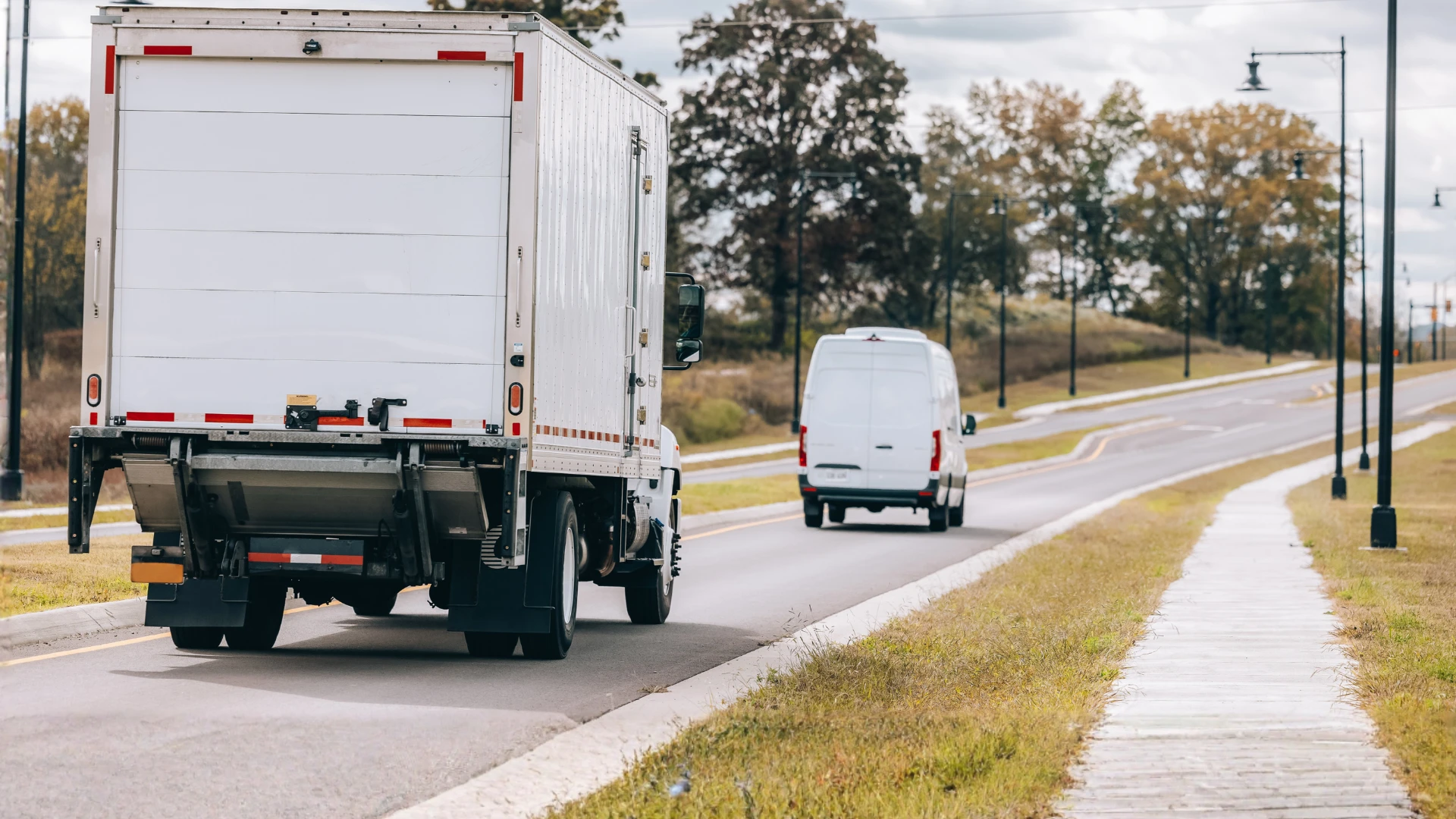
For short shelf-life freight, distance is only part of the planning problem. The real constraint is time at temperature. A shipment can move only a few hundred miles and still lose meaningful shelf life if pickup is late, dwell time is excessive, the truck is not preconditioned, or the handoff adds uncontrolled hours. IATA notes that perishables are unique because their logistics requirements must take their short shelf life into account, and that quality deterioration is driven by exposure to environmental conditions such as temperature.
That is why regional network design matters so much for fresh food, prepared meals, dairy, floral, biologics, and other time-sensitive products. The question is not just how far the shipment has to travel. It is how much usable life remains when it arrives.
Why short shelf-life lanes are harder than they look
Many regional lanes seem simple on paper. They are not cross-country. They do not require a full trailer every time. And the mileage may look manageable. But short shelf-life freight is vulnerable to delays that are operationally small and commercially significant: a late pickup window, an extra stop, a dock delay, a route deviation, a warm trailer at loading, or a lack of live visibility when conditions change.
Food and pharmaceutical guidance points in the same direction. FDA’s sanitary transportation rule is designed to prevent practices that create food-safety risks, including failure to properly refrigerate food, inadequate cleaning of vehicles between loads, and failure to properly protect food during transport. WHO guidance for temperature-sensitive products similarly emphasizes qualified equipment, temperature monitoring, documented handling, and control over transport conditions.
For short shelf-life lanes, those risks matter because time losses compound. A few extra hours may not change the route map, but they can change the product outcome. In practice, shelf life is consumed by friction: waiting, rehandling, stop density, poor sequencing, weak visibility, and equipment that does not match the shipment.
What a regional network should be designed to do
A regional network built for short shelf-life freight should be designed around hours preserved, not just miles covered.
First, it should reduce non-driving time. That means tighter pickup planning, fewer unnecessary handoffs, and equipment that can be positioned and loaded quickly. Second, it should maintain the required temperature range from the start of the trip, not halfway through it. USDA guidance on transporting perishables by truck and rail stresses that temperature management has to match the product, because the wrong setting can damage product quality just as surely as excessive warmth can.
Third, the network should fit the shipment size. Many short shelf-life moves do not need a 53-foot trailer, but they also should not be pushed into slower, looser service models that add dwell time and handling. Fourth, the lane should stay visible in real time, so operations teams can respond to delay or exception before shelf life is lost. And fifth, regional coverage should be consistent enough that customers do not have to rebuild the process every time the lane changes.
In other words, a strong regional design protects freshness by controlling time, temperature, handling, and visibility at the same time.
How Reefer Van Network can help
We are structured around regional refrigerated transportation that moves quickly, stays visible, and uses equipment sized to the shipment rather than forcing every move into a full-trailer model. Through the RVN Customer Portal, customers can get instant estimates for small refrigerated loads, book shipments quickly, and monitor them with real-time GPS tracking. That matters in short shelf-life lanes because speed is not only about transit time. It is also about how fast a team can secure capacity, confirm pickup, and keep the load under control once it is moving.
RVN also helps solve the equipment-fit issue. Many regional shipments are too urgent for standard LTL, too sensitive for repeated handling, and too small to justify a full trailer. RVN’s operating model centers on refrigerated vans, box trucks, and straight trucks, giving customers access to right-sized temperature-controlled equipment for smaller and mid-sized loads. That makes it easier to move product directly and preserve usable life instead of wasting it in oversized or multi-touch networks.
Visibility is another major advantage. For short shelf-life freight, every unplanned hour matters, so the ability to see where a shipment is in real time is not just convenient. It is operationally protective. RVN’s tracking tools are designed to show shipment status live, helping customers identify delay early and manage exceptions before they become product losses or customer-service failures.
Just as important, we support regional coverage with a model designed for responsiveness. When lane volumes change, replenishment becomes urgent, or a load needs to move between facilities on short notice, customers need more than truck availability. They need a transportation process that can protect product condition while moving fast enough to preserve remaining shelf life.
Key Takeaway
Short shelf-life freight should never be planned by miles alone. In regional transportation, the real design question is how many usable hours the network protects from pickup to delivery. Guidance from food, pharmaceutical, and perishables authorities all points to the same conclusion: temperature control, qualified equipment, reduced dwell, documented handling, and live visibility are what preserve product outcome.
Reefer Van Network helps customers build around those priorities. By combining right-sized refrigerated equipment, real-time tracking, fast booking access, and regional execution designed for time-sensitive loads, RVN supports lanes where protecting hours matters just as much as covering miles.
Back to blogYou may also be interested in
Reefer Breakdown Recovery and Chain of Custody
Why recovery has to protect both the freight and the record of what happened A reefer breakdown changes more than the transportation plan. Once temperature control or vehicle movement is disrupted, the recovery process has to protect the freight while preserving a clear record of who controlled it, where it moved, and what conditions surrounded […]
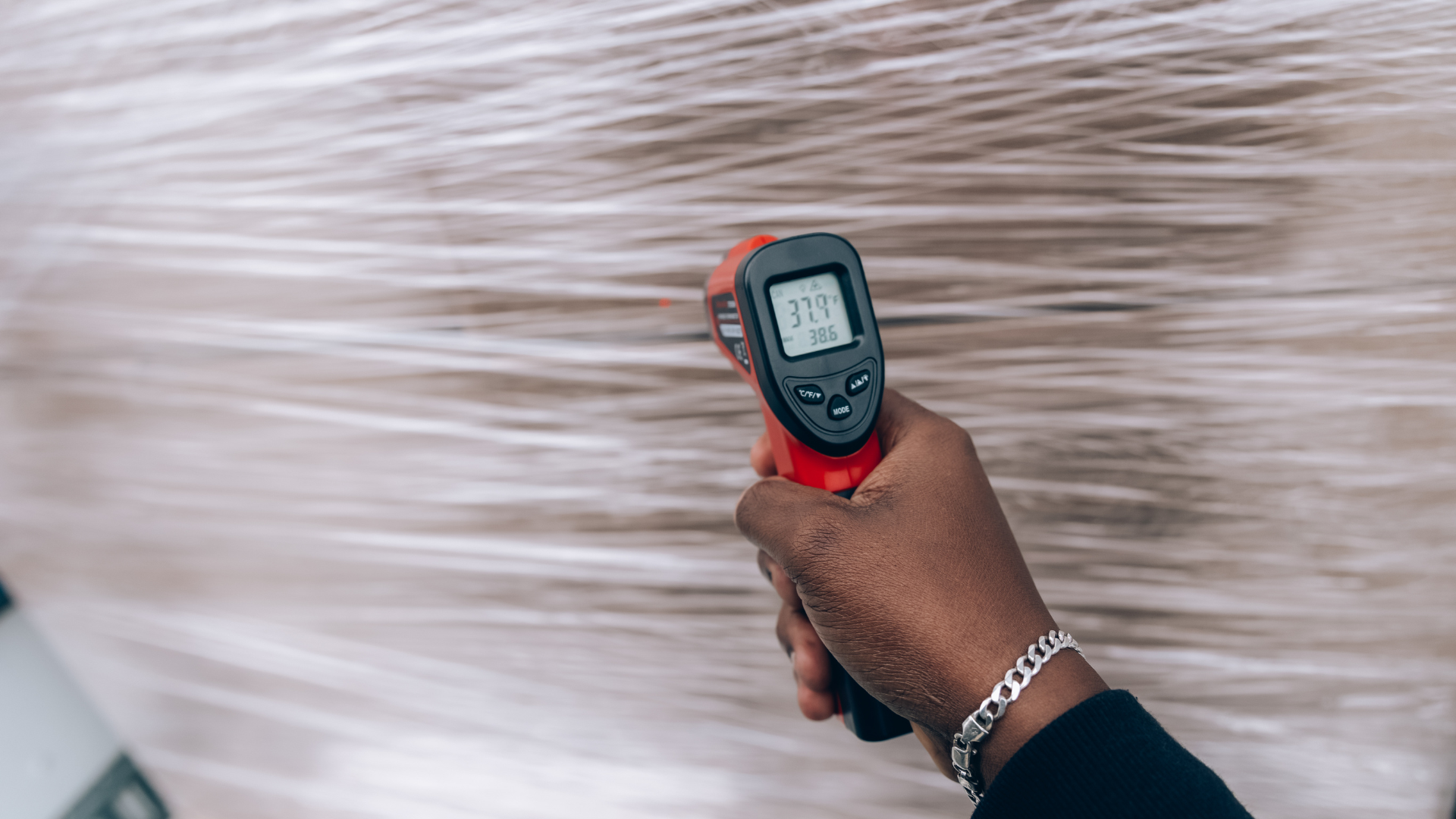
Temperature Mapping Inside a Refrigerated Box Truck
How a Spatial Temperature Profile Supports Vehicle Qualification and Loading Decisions Temperature mapping turns the interior of a refrigerated box truck into a measured space. Instead of evaluating the vehicle from one temperature location, the exercise identifies where the payload area tends to run hottest, coldest, or otherwise requires closer attention under defined test conditions. […]