




Why Compliance Is Non-Negotiable
In pharmaceutical logistics, compliance is a regulatory checkbox and the foundation of safe and reliable transport. Medications, vaccines, and biologics are highly sensitive to temperature fluctuations, and even short-term exposure outside their safe range can render them ineffective, or worse, unsafe for patients. That’s why organizations like the FDA, DEA, and WHO have established strict guidelines. Good Distribution Practice (GDP) standards and USP <1079> reinforce the need for controlled storage and transport conditions.
For shippers and forwarders, this means documentation, chain of custody, and continuous temperature verification aren’t optional. They are the baseline. Failure to comply can result in product recalls, legal penalties, and damage to brand reputation.
Building Trust Through Technology
Modern cold chain transport for pharmaceuticals has advanced far beyond insulated boxes and dry ice. Today’s reefer vans are equipped with real-time temperature monitoring, GPS tracking, electronic logging devices, and automated alerts. These tools provide visibility across the entire journey, ensuring that any deviation from the required range is quickly identified and corrected.
For pharmaceutical companies, this technology provides something equally valuable as compliance: confidence. Confidence that sensitive biologics, specialty drugs, and life-saving vaccines arrive intact. Confidence that inventory and patient supply chains remain uninterrupted. Confidence that logistics partners are just as invested in safety and reliability as the manufacturers themselves.
Risk Mitigation in Transit
Pharmaceuticals are high-value, time-sensitive commodities. A delay at a cross-dock, an unmonitored reefer failure, or improper handling during loading can cost millions of dollars and potentially jeopardize patient care. That’s why carriers who understand the urgency and fragility of pharma freight play such a critical role.
Risk mitigation means always having backup equipment, as well as having a fleet and a network designed to handle shipments of any size, with contingency planning built in. Choosing the wrong transport mode can lead to waste, lost revenue, and supply shortages. The right partner eliminates those risks through planning, visibility, and responsiveness.
Why Smaller Reefer Vehicles Make Sense
When it comes to cold chain transport for pharmaceuticals, smaller reefer vehicles often outperform larger trailers. Here’s why:
- Faster transit. Smaller vans can access airports, urban hospitals, research labs, and pharmacies more easily than a 53-foot trailer, reducing dwell times and last-mile delays.
- Less dead space. Pharmaceuticals are typically high-value but low-volume. Using a smaller reefer prevents wasted capacity and reduces the risk of uneven cooling inside oversized trailers.
- Tighter temperature control. Compact refrigerated vans maintain stable conditions more effectively because the cooling unit regulates a smaller interior space. This minimizes the risk of temperature excursions.
- Flexibility for urgent loads. Whether it’s a last-minute vaccine delivery or specialized biologics that must arrive within hours, smaller reefer vehicles can be dispatched quickly for point-to-point service.
From Compliance to Confidence with Reefer Van Network
At Reefer Van Network, compliance is only the starting point. Our nationwide fleet comprises specialized small and mid-sized reefer vehicles, positioning us uniquely to handle pharmaceutical freight that demands precision and urgency. We combine advanced technology, strict adherence to FDA and GDP standards, and a flexible network of carriers to protect every shipment from pickup to final delivery.
Whether it’s a cross-country transport of critical medications or a last-mile hospital delivery, Reefer Van Network turns compliance into confidence, ensuring that sensitive pharmaceuticals arrive safely, stably, and on time.
Back to blogYou may also be interested in
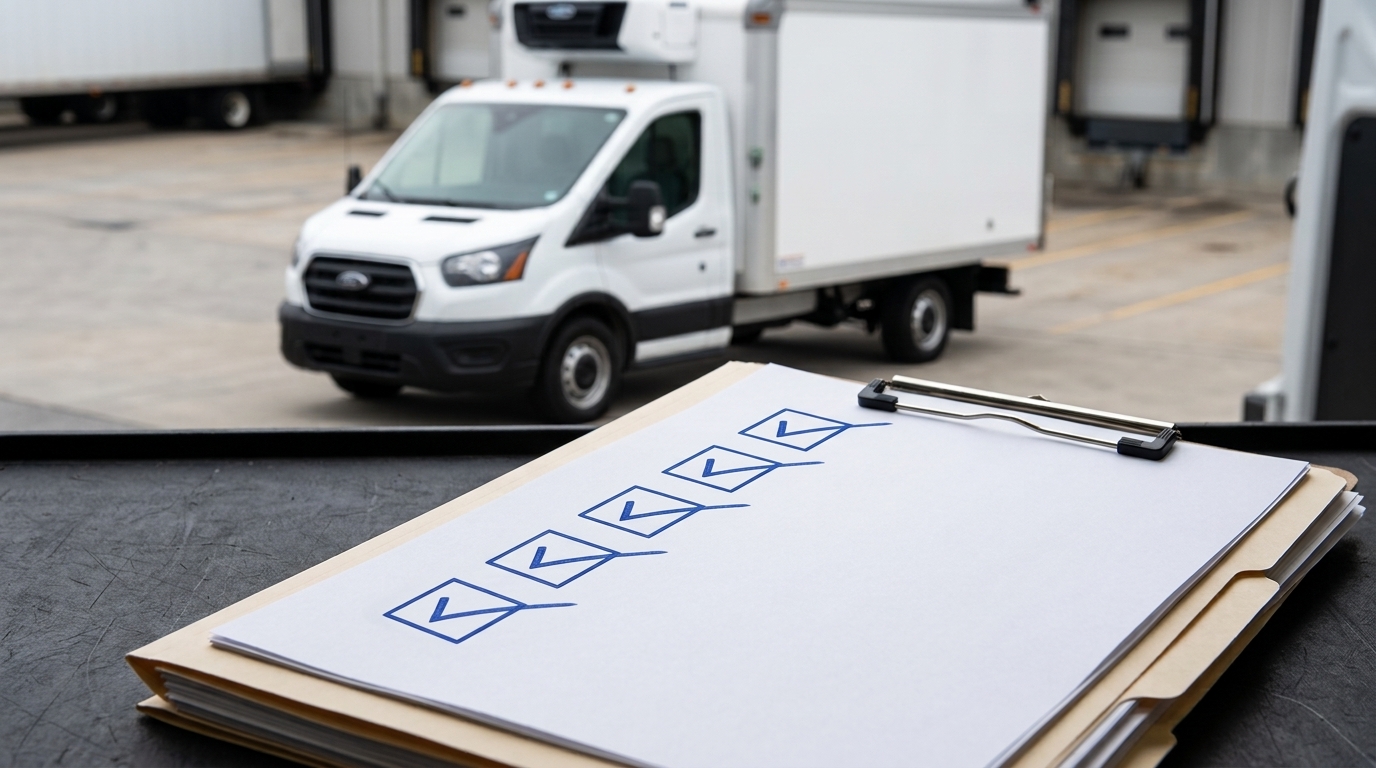
Reefer Breakdown Recovery and Chain of Custody
Why recovery has to protect both the freight and the record of what happened A reefer breakdown changes more than the transportation plan. Once temperature control or vehicle movement is disrupted, the recovery process has to protect the freight while preserving a clear record of who controlled it, where it moved, and what conditions surrounded […]
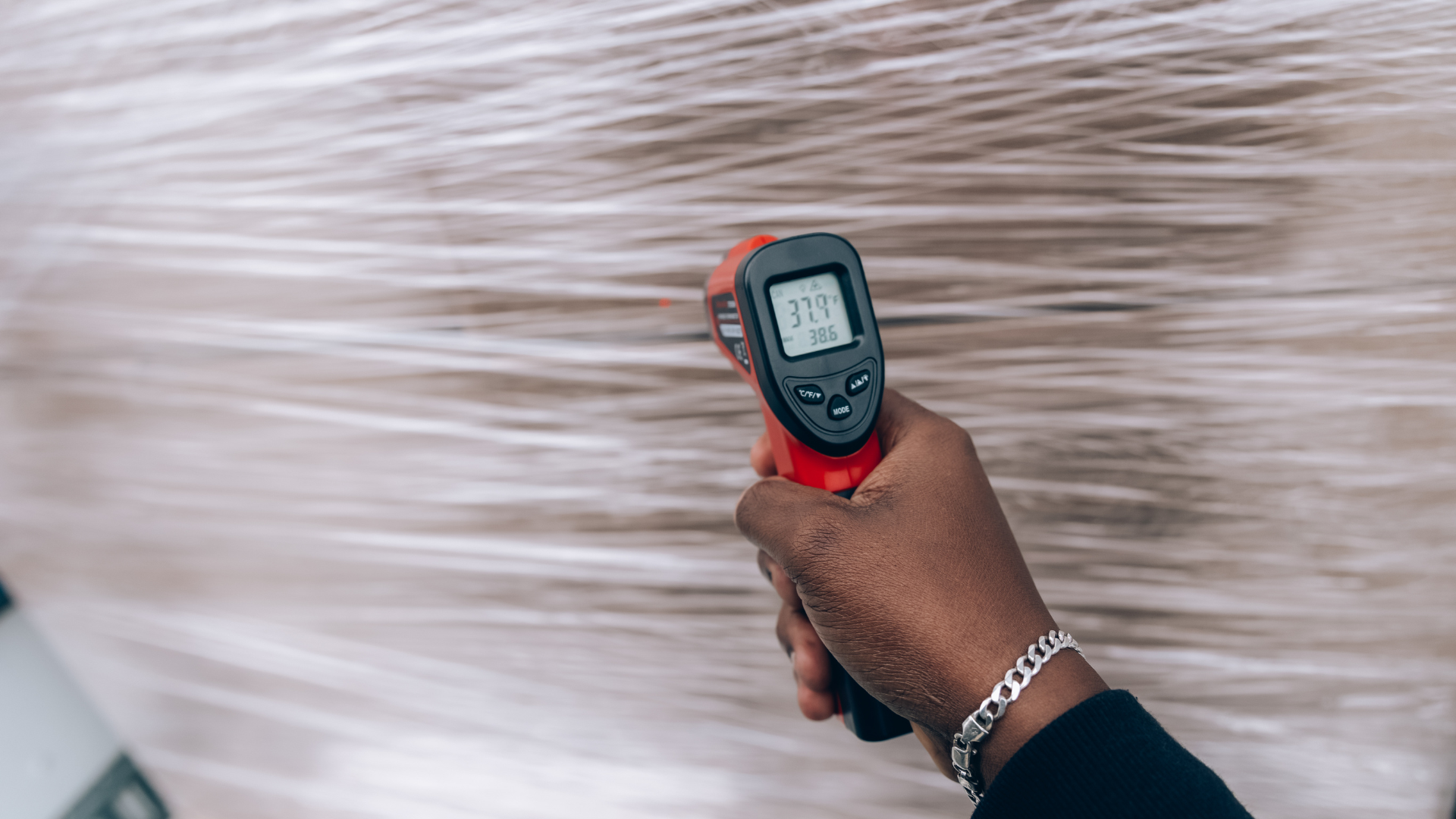
Temperature Mapping Inside a Refrigerated Box Truck
How a Spatial Temperature Profile Supports Vehicle Qualification and Loading Decisions Temperature mapping turns the interior of a refrigerated box truck into a measured space. Instead of evaluating the vehicle from one temperature location, the exercise identifies where the payload area tends to run hottest, coldest, or otherwise requires closer attention under defined test conditions. […]