



Detention and Dwell: How Facility Delays Raise Spoilage Risk — and What to Do About It
29 Jul 2026

Facility delays turn detention and dwell into spoilage risk because refrigerated freight depends on continuous control.
A truck can arrive ready, running, and on time. But if the dock is late, paperwork is missing, product waits in staging, or unloading drags on, the shipment can begin to lose control before the route moves forward.
Detention happens when the truck waits longer than expected. Dwell is the time the freight or vehicle spends inside a facility handoff. For perishables, both can create exposure.
Why Facility Delays Matter
A late dock assignment, slow loading, missing paperwork, or crowded receiving area can add minutes or hours to the move. That delay can increase door-open time, product exposure, reefer strain, and the chance of missed delivery windows.
FDA’s sanitary transportation rule explains transportation practices that create food safety risks, including “failure to properly refrigerate food.”
The issue is control. Refrigerated transportation depends on a steady chain of temperature management, timing, and documentation. Facility delays break that chain.
Why the Risk Builds Quickly
Perishable products are affected by time and temperature together.
The USDA/UF IFAS guide on perishable food transport notes that temperatures outside the optimum range can damage product quality, depending on the food type.
That is where detention becomes dangerous. The longer a truck waits, the more chances there are for product to be staged too early, dock doors to stay open, freight to sit outside the required environment, loading to start late, or delivery windows to slip downstream.
A shipment may still be “in refrigeration,” but the record can weaken. Door activity, warm dock conditions, delayed unloading, and unclear handoffs all make it harder to prove that the freight stayed under control.
For example, for time/temperature-controlled foods, the risk can escalate fast. USDA FSIS explains that bacteria grow rapidly between 40°F and 140°F, and that perishable foods should not be left out of refrigeration for extended periods.
The Facility Is Part of the Route
Many teams treat the route as the miles between pickup and delivery. For refrigerated freight, the facility is part of that route.
The loading dock, receiving area, staging zone, check-in desk, and paperwork routine all affect shipment control. A good plan should confirm dock readiness, product staging, required temperature, vehicle preparation, loading or unloading discipline, and the record of timing, temperature, and exceptions.
Without those answers, detention becomes more than a billing issue. It becomes a quality issue.
What to Do About It
Facility delays will happen. A controlled plan reduces the risk.
Before pickup, confirm facility hours, dock rules, receiving windows, access requirements, and contact information. Make sure the product is staged at the right time, not too early. Align the required temperature before the vehicle arrives.
During loading or unloading, keep the handoff tight. Limit door-open time. Reduce re-handling. Record exceptions when they happen.
After departure, monitor the shipment closely. If a facility delay threatens the next appointment, your team needs enough visibility to respond before one delay becomes a second problem.
The goal is not speed alone. The goal is to keep the shipment under control when the facility slows down.
How RVN Reduces the Risk
Reefer Van Network supports temperature-sensitive freight with speed, visibility, and active coordination.
Through the RVN Customer Portal, your team can align shipment details, pickup timing, vehicle type, and live tracking before the move begins — all in one workflow.
RVN also provides right-sized refrigerated vehicles, including cargo vans, box trucks, and straight trucks. For smaller and mid-sized loads, the right vehicle can reduce dock complexity and help the freight move without forcing it into an oversized trailer model.
Once the shipment is moving, RVN supports it with real-time GPS visibility, temperature reporting, vetted capacity, and 24/7 operations support. If a facility delay occurs, you have live shipment visibility and a team focused on accountability from pickup to delivery.
What This Means in Practice
Detention and dwell are not only cost problems. For perishables, they can become temperature, quality, and claim problems.
The truck protects the load only if the facility handoff protects it too.
The best defense is a plan that controls dock readiness, timing, loading discipline, visibility, and records.
Reefer Van Network helps you reduce dwell-related risk with right-sized refrigerated vehicles, real-time tracking, temperature reporting, and operations support built around time- and temperature-sensitive freight.
Back to blogYou may also be interested in
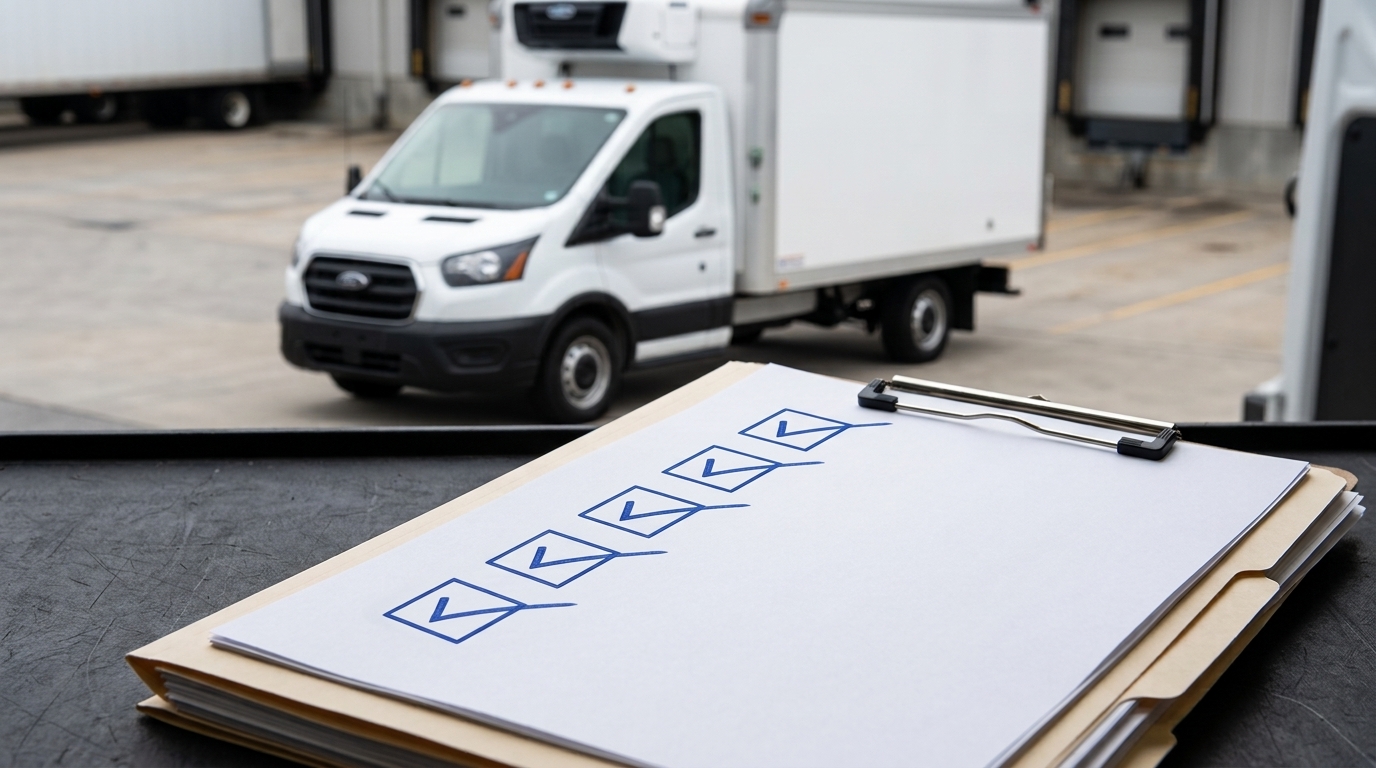
Reefer Breakdown Recovery and Chain of Custody
Why recovery has to protect both the freight and the record of what happened A reefer breakdown changes more than the transportation plan. Once temperature control or vehicle movement is disrupted, the recovery process has to protect the freight while preserving a clear record of who controlled it, where it moved, and what conditions surrounded […]
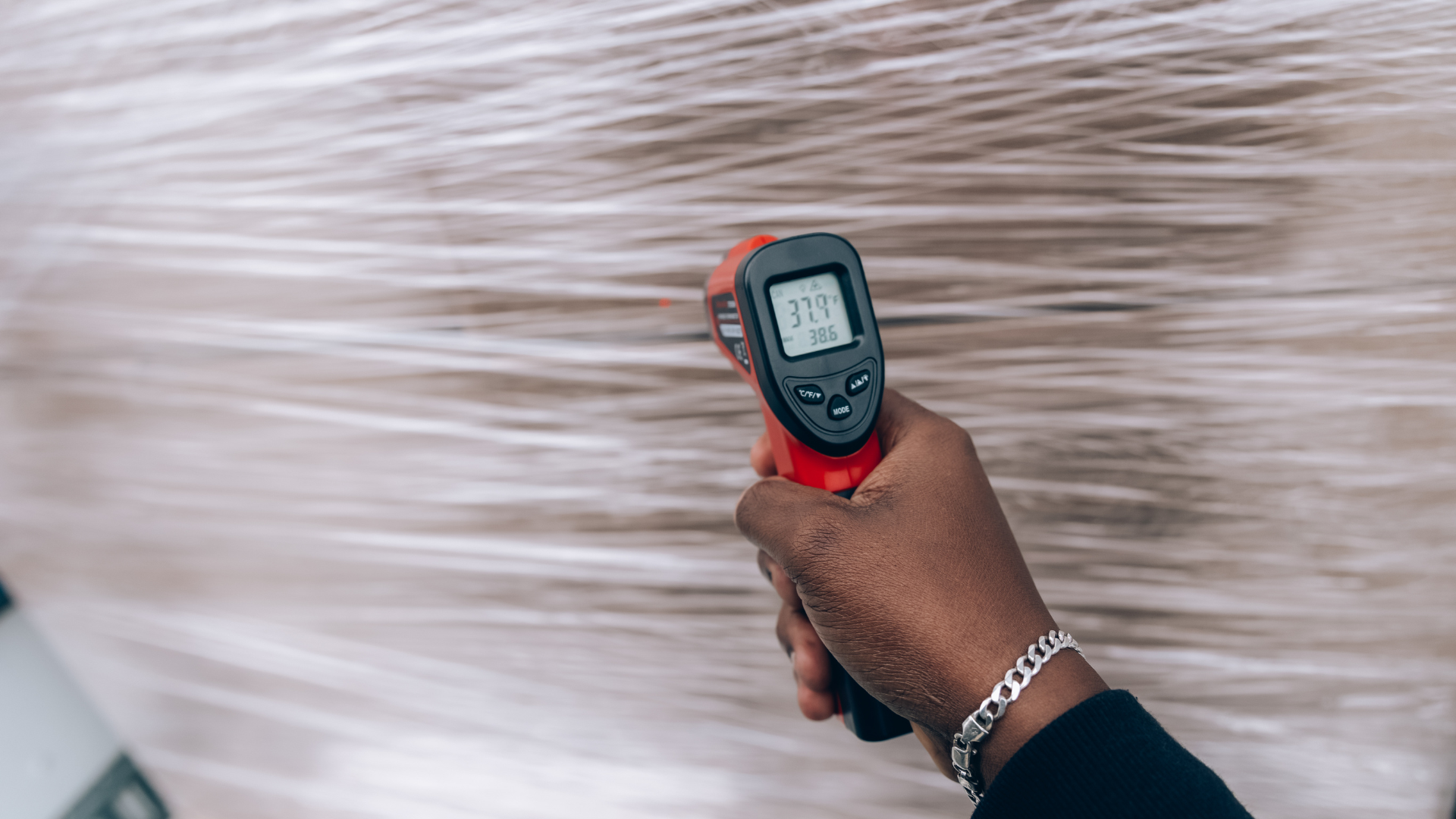
Temperature Mapping Inside a Refrigerated Box Truck
How a Spatial Temperature Profile Supports Vehicle Qualification and Loading Decisions Temperature mapping turns the interior of a refrigerated box truck into a measured space. Instead of evaluating the vehicle from one temperature location, the exercise identifies where the payload area tends to run hottest, coldest, or otherwise requires closer attention under defined test conditions. […]