



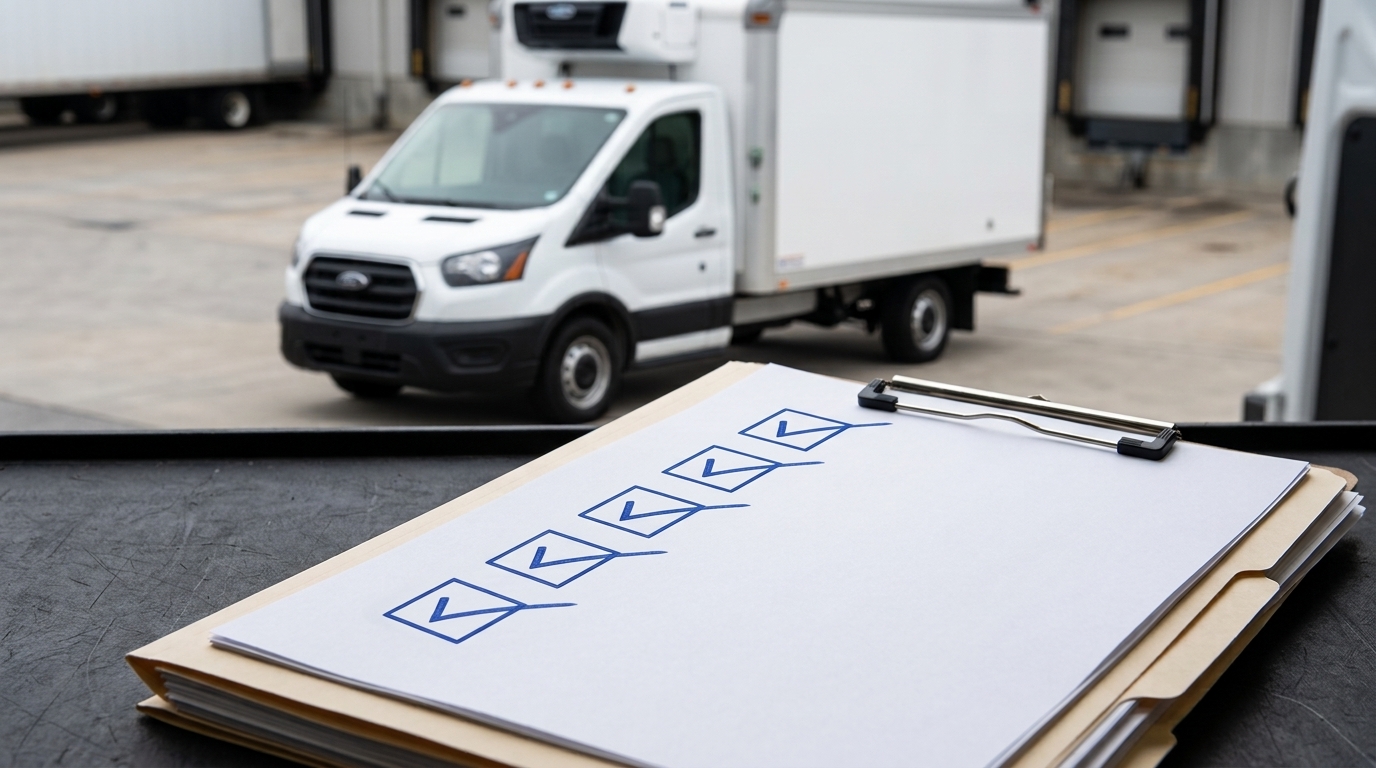
Why recovery has to protect both the freight and the record of what happened
A reefer breakdown changes more than the transportation plan. Once temperature control or vehicle movement is disrupted, the recovery process has to protect the freight while preserving a clear record of who controlled it, where it moved, and what conditions surrounded the interruption.
A breakdown may involve the refrigeration unit, the vehicle itself, or both. The immediate question is not simply how quickly another truck can arrive. It is how to continue the shipment without losing control of the product or the information needed to evaluate its condition.
Recovery Starts Before the Freight Is Transferred
Moving the cargo into another refrigerated vehicle may be necessary, but transfer should follow an assessment of what happened first.
Temperature history, the time and location of the failure, current cargo conditions, product requirements, and the expected recovery time can all affect the next decision. A replacement truck solves the transportation problem. It does not automatically determine whether the freight remained within acceptable conditions.
That distinction is especially important for regulated products. FDA guidance on the Sanitary Transportation rule states that when a covered party becomes aware of a possible material failure of temperature control that may render food unsafe, the food should not be sold or distributed until a qualified individual determines that the condition did not make it unsafe.
For time- and temperature-sensitive pharmaceutical products, WHO guidance specifically calls for contingency arrangements covering equipment failure and vehicle breakdown, as well as action plans for products exposed to temperature excursions.
A Recovery Handoff Creates a New Control Point
When freight moves from a disabled reefer into replacement equipment, physical custody changes. The shipment may also have a new vehicle, driver, equipment identifier, and temperature environment.
That is why chain of custody matters during recovery.
Here, chain of custody means the documented continuity of control over the shipment: who had possession of it, when a transfer occurred, where it happened, and what information accompanied the freight into the next stage of transportation.
The purpose is not paperwork for its own sake. If a temperature question, delivery dispute, quality investigation, or claim arises later, the recovery should not create an unexplained gap in the shipment history.
WHO good distribution guidance for medical products similarly emphasizes traceability. Dispatch records should contain enough information to identify the transportation party, product, applicable transport and storage conditions, delivery order, and other shipment details needed to trace the product.
Temperature History Should Continue Through the Disruption
A mechanical failure is an event in the shipment history, not a reason for that history to stop.
The useful record connects temperature data with timing, GPS location, the moment the problem was identified, recovery activity, and the continuation of transportation. WHO also calls for traceability records that include temperature exposure during shipping and storage and for discrepancies to be investigated.
This gives the customer a more complete basis for reviewing what occurred than a simple statement that the original truck broke down and another one finished the delivery.
How RVN Deals with Reefer Breakdown
Recovery depends on visibility and access to suitable replacement capacity. Reefer Van Network continuously monitors cargo temperature and GPS location while shipments are moving, giving the operations team context when conditions change or a vehicle problem interrupts the route.
If replacement capacity is needed, RVN coordinates a right-sized refrigerated vehicle from its nation-wide vetted carrier network and manages the next stage of the move, 24/7, with no weekend breaks.
And lastly, reefer equipment in the RVN network is rigorously selected to meet industry expectations for equipment condition and quality, while active operational support helps maintain continuity through the disruption.
A breakdown cannot always be prevented. But the recovery can be controlled. The objective is to restore transportation without creating a second problem: an undocumented gap in temperature history, custody, or responsibility.
Back to blogYou may also be interested in
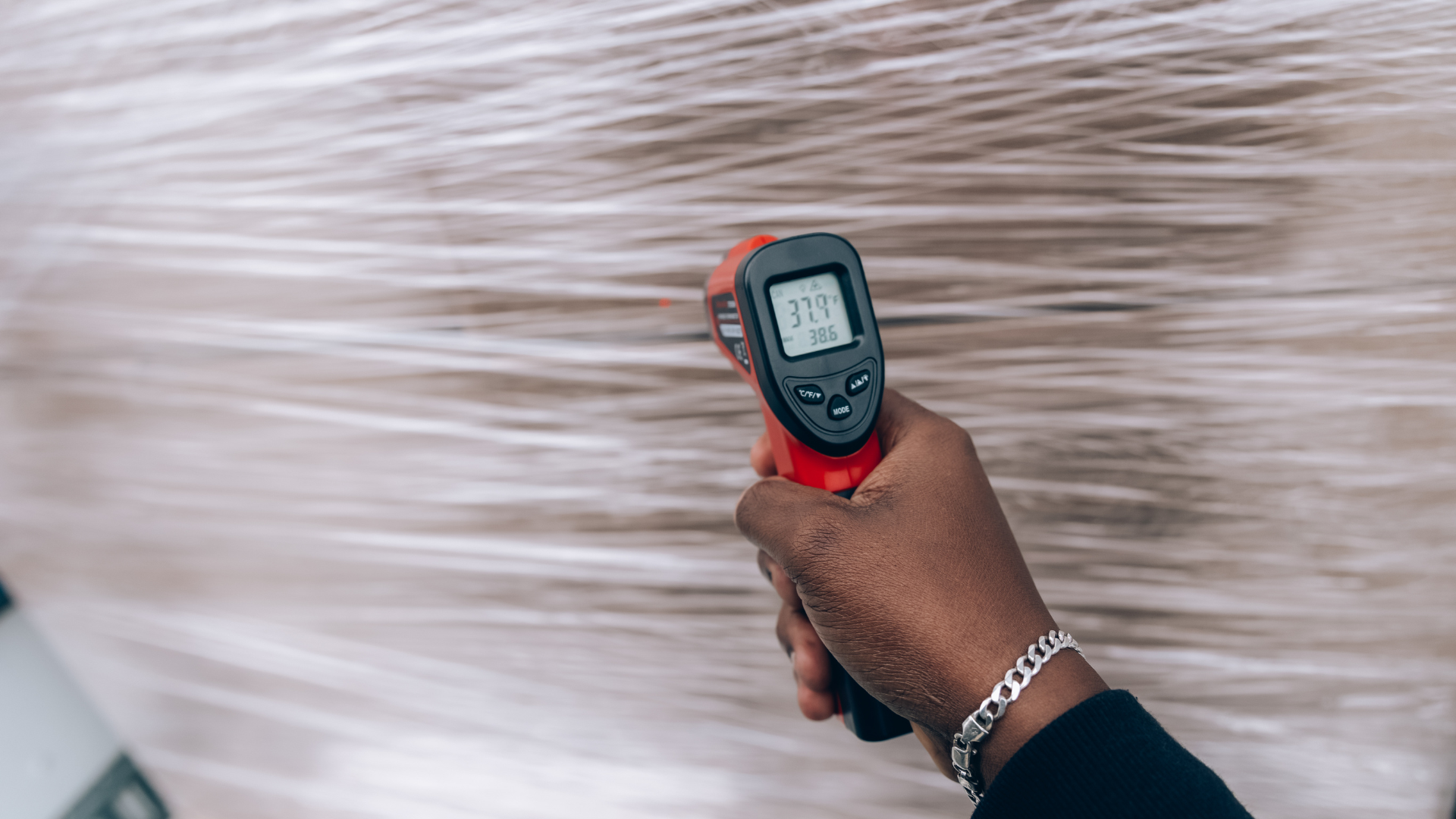
Temperature Mapping Inside a Refrigerated Box Truck
How a Spatial Temperature Profile Supports Vehicle Qualification and Loading Decisions Temperature mapping turns the interior of a refrigerated box truck into a measured space. Instead of evaluating the vehicle from one temperature location, the exercise identifies where the payload area tends to run hottest, coldest, or otherwise requires closer attention under defined test conditions. […]

Weekend Refrigerated Freight Fraud Controls
Why After-Hours Capacity Still Needs Full Verification Weekend refrigerated freight often involves elevated risk: urgent capacity decisions, reduced office coverage, and less time to resolve inconsistencies before the load moves. Fraudsters see opportunity when normal verification becomes slower, fragmented, or less formal. Verisk CargoNet has repeatedly identified long weekends as periods of elevated cargo-theft exposure. […]