




In temperature-controlled logistics, speed matters, but it’s not the whole story. When it comes to moving pharmaceuticals, produce, dairy, meat, or other perishable goods, how fast you deliver matters far less than how well you control, monitor, and prove your temperature compliance along the way.
Even the fastest shipment can fail if it arrives compromised. That’s why businesses are increasingly prioritizing real-time visibility, automated temperature logging, and full audit trails over simple transit time. In refrigerated transport, speed without control is a risk and not a selling point.
Why Fast Delivery Alone Doesn’t Guarantee Product Integrity
Let’s say a reefer load of vaccines moves from Chicago to Dallas in record time, but halfway through the trip, the unit malfunctions for 45 minutes, pushing the internal temperature above 46°F. By the time it arrives, the shipment may be unusable, even if it technically arrived “on time.”
Temperature excursions, even short ones, can have irreversible effects on product quality and safety. In regulated sectors like pharma and biotech, one undocumented temperature spike can trigger product recalls, FDA investigations, the loss of a critical client and trust.
That’s why the conversation has shifted from “How fast can you deliver?” to “Can you prove it stayed in range every mile of the way?”
Monitoring: The Core of a Modern Refrigerated Freight
Continuous monitoring is a value-add and a necessity. Today’s best cold logistics providers deploy real-time temperature and location sensors that transmit live data through IoT platforms.
Modern reefer monitoring systems can:
- Track ambient and product-level temperature in real time.
- Send instant alerts for deviations, door openings, or reefer unit failures.
- Integrate GPS tracking to verify location and estimated delivery times.
- Store historical trip data in the cloud for easy compliance reporting.
This combination of visibility and traceability ensures that every mile is accountable and that corrective actions can be taken before it’s too late.
Documentation: Your Proof of Compliance
In regulated cold freight, documentation means protection. From FDA and USDA standards to the Drug Supply Chain Security Act (DSCSA) and Good Distribution Practice (GDP) guidelines, customers are expected to maintain a verifiable record of temperature control throughout the journey.
This means:
- Data-logged temperature records for every load.
- Time-stamped route logs that match temperature and GPS data.
- Driver and carrier certifications proving compliance with handling protocols.
- Electronic proof of delivery (ePOD) integrated with temperature reports.
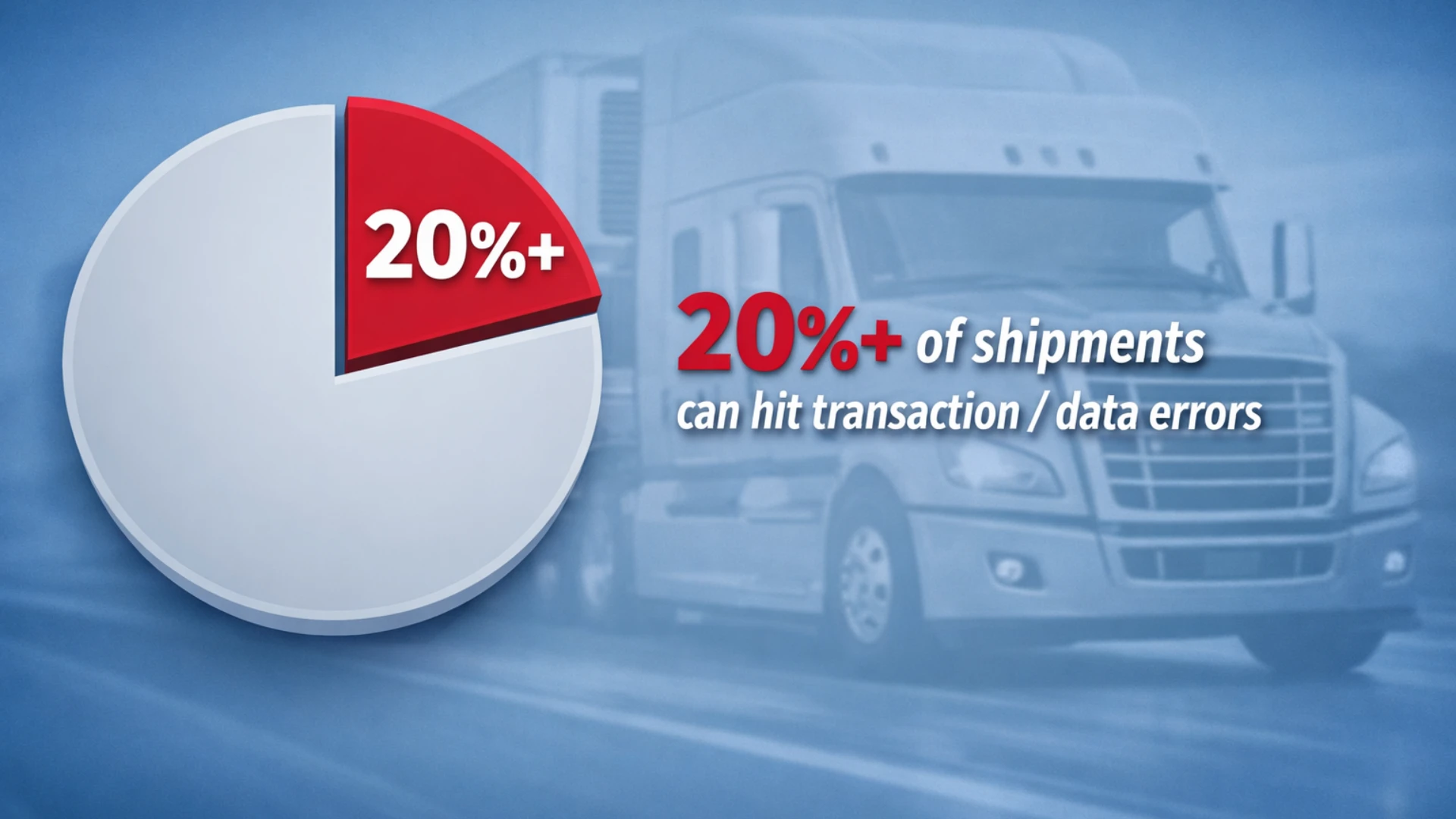
And it’s not just temperature – exception management matters too. Studies cited by industry groups suggest 20%+ of shipments can hit transaction/data errors that disrupt compliant handoffs.
Having the listed data builds confidence with your clients. When a receiver sees a complete temperature report attached to the BOL, they know your process is airtight.
The Cost of Inadequate Monitoring and Documentation
A single undocumented excursion can have serious financial and reputational consequences. Consider these potential losses:
- Product loss. Spoilage or contamination means writing off entire shipments worth thousands of dollars.
- Regulatory penalties. FDA violations and audit failures can lead to fines or lost certifications.
- Customer churn. Once a client loses confidence in your refrigerated transport control, it’s almost impossible to win them back.
- Insurance disputes. Without documented proof, insurers may deny claims for temperature-related losses.
In short, cutting corners on monitoring and recordkeeping doesn’t save money — it costs far more in the long run.
Technology That Powers Reliable Cold Freight
The good news? Refrigerated freight monitoring technology has become smarter and more accessible than ever. Leading systems now include:
- Bluetooth or cellular temperature loggers with automatic uploads.
- Telematics-integrated reefers that pair engine data with temperature readouts.
- Cloud dashboards for customers to view and download reports instantly.
- AI-driven alerts that predict potential issues based on performance trends.
When combined with route planning tools and proactive reefer maintenance, this technology ensures that both speed and compliance coexist in every load.
How Reefer Van Network (RVN) Ensures Both Speed and Control
At Reefer Van Network (RVN), we understand that cold freight demands more than quick response times. That’s why every move we make is supported by:
- Calibrated reefer units verified for temperature accuracy.
- Active monitoring and GPS tracking on every shipment.
- Automatic temperature reporting that creates a digital audit trail.
- 24/7 dispatch oversight to intervene immediately if any readings drift out of range.
- Compliance-ready documentation, available to customers after delivery for validation or audits.
With RVN, you don’t have to choose between fast and verified — you get both. Our team ensures that each shipment moves quickly and stays compliant from dock to dock, giving our partners full transparency and peace of mind.
Conclusion
In the world of temperature-sensitive logistics, “fast” is no longer enough. The modern refrigerated freight is about accountability, visibility, and verifiable proof of compliance. Every degree counts, and every shipment should tell its story through data.
Whether you’re shipping vaccines, flowers, or frozen goods, make sure your logistics partner can deliver not just on time, but with complete temperature traceability from pickup to delivery.
Reefer Van Network stands ready to move your freight the right way: cold, clean, and fully documented.
Back to blogYou may also be interested in

Passover Food Transportation with Reefer Van Network
Passover food is not just another seasonal commodity. The Passover production window is a short, high-stakes period where product status, timing, handling, and temperature control all matter at once. Production runs are tightly scheduled. Inventory windows are narrow. And everything must be done on time. Seders cannot be adjusted to supply chain delays. That is […]

Temperature Excursions: What They Cost and How to Avoid Them
In temperature-controlled logistics, precision is never optional because it’s the foundation of product integrity. A few degrees off during transport can destroy thousands of dollars in high-value goods, compromise patient safety, or erode customer trust. These incidents, known as temperature excursions, are among the most preventable and most expensive risks in temperature-sensitive freight. Whether you […]