



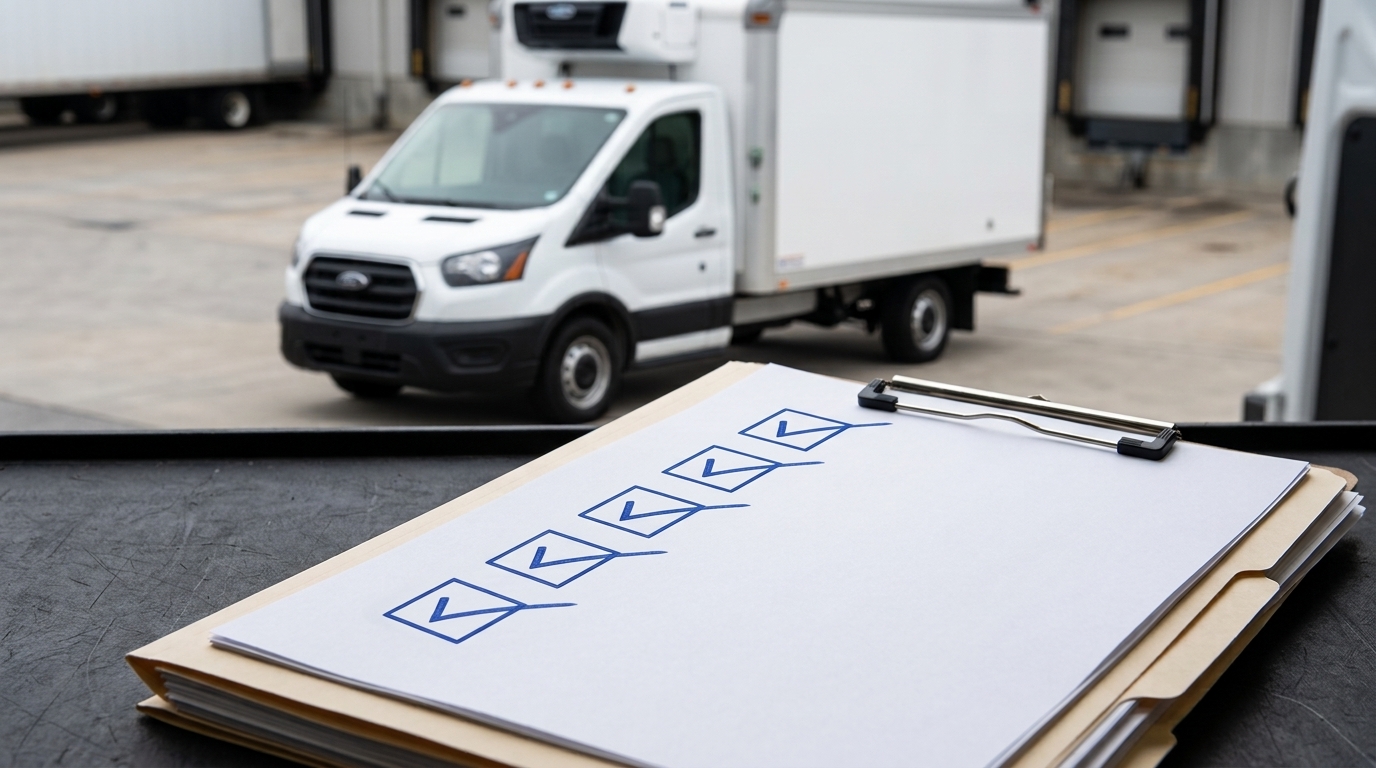
A reefer rate confirmation should function as an operating instruction, not merely a record of price, lane, and appointments.
If the document says only “keep frozen” or “maintain 35°F,” the truck may arrive with the right equipment and still receive incomplete instructions. The result is predictable: different expectations at loading, conflicting temperature evidence at delivery, and uncertainty over who had authority to act when conditions changed.
The Rate Confirmation Is Part of the Control Plan
FDA regulations do not require a document specifically titled “rate confirmation.” They do require covered transportation parties to communicate certain specifications, procedures, and agreements in writing.
For food requiring temperature control for safety, the regulatory shipper must specify an operating temperature in writing, including pre-cooling when necessary. The rule also allows responsibilities to be assigned to another covered party through a written agreement. A rate confirmation can carry those instructions or clearly reference the governing SOP or transportation agreement.
The practical test is simple: can the driver, dispatcher, loader, and receiver read the documents and reach the same conclusion about how the load must move?
Define the Temperature Instruction
State the required operating temperature clearly. Avoid phrases such as “keep cold,” “protect from heat,” or “frozen product” without an exact instruction.
The confirmation should identify:
- the operating setpoint or range
- pre-cooling requirements
- continuous or start-stop operation, when specified
- any upper or lower limits
- the temperature-monitoring method
A setpoint describes the refrigeration unit’s target. It does not prove the product entered the vehicle at the required temperature. The product’s expected loading condition should therefore be documented separately when it matters.
Separate Product Condition From Vehicle Condition
A pre-cooled vehicle and pre-cooled product are two different requirements.
Under the FDA rule, the loader must verify that the refrigerated compartment is adequately prepared, including proper pre-cooling when necessary. The carrier must pre-cool the compartment according to the written specification when the applicable agreement makes the carrier responsible.
The rate confirmation should also state whether product temperature will be checked at loading, who will record it, and what happens if the product arrives too warm.
The USDA/UF IFAS guidance explains that transport refrigeration is designed primarily to maintain the required carrying temperature, not to pull warm product into range. Perishables should therefore enter the vehicle at or near the specified temperature; if the incoming product creates a heat load beyond the unit’s rated capacity, it may remain out of range during transit.
Specify the Equipment and Loading Conditions
“Reefer required” may still leave too much unanswered.
Define the vehicle type, cargo dimensions, pallet count, weight, and any required sanitation or previous-cargo restrictions. Include loading conditions that affect airflow: pallet placement, clearance around walls and doors, blocked vents, or mixed-product restrictions.
FDA requires written sanitary specifications for vehicle design, condition, and cleaning when those controls are necessary to prevent food from becoming unsafe. Its guidance also identifies poor loading patterns, unsuitable equipment, weak sanitation, and improper handling as transportation risks.
State What Evidence Must Be Available
Temperature monitoring should not be improvised after a receiver questions the load.
The confirmation or referenced SOP should identify:
- what will be monitored
- where sensors or loggers will be placed
- who can access the data
- whether readings are required at loading and delivery
- which records must accompany the proof of delivery
FDA does not prescribe one universal monitoring device. The parties may agree on an appropriate mechanism. When requested, a carrier responsible under the written agreement may demonstrate temperature maintenance through loading and unloading measurements, in-transit time-and-temperature data, or another agreed method.
Define Exceptions Before They Happen
The document should explain what to do after a temperature alarm, extended door opening, facility delay, equipment problem, seal discrepancy, or rejected delivery.
Name the escalation contacts. State who can approve continued movement, redirection, recovery, or temporary holding. The driver should report the event, preserve the evidence, and wait for authorized instructions – not decide whether the product remains usable.
FDA requires action when a covered party becomes aware of a possible material failure of temperature control. The food cannot be sold or distributed unless a qualified individual determines that the deviation did not render it unsafe.
Commercial terms matter too. Detention, redelivery, recovery transfer, inspection, and rejected-load procedures should be clear before an exception creates a second dispute.
How RVN Turns Requirements Into Clear Instructions
Reefer Van Network helps define the transportation requirements before the vehicle is assigned.
That means confirming the required temperature range, operating setpoint, pre-cooling instructions, equipment type, pallet count, monitoring method, pickup conditions, delivery expectations, and escalation contacts before the load moves.
If the driver, dock team, operations team, and receiver give different answers, the instructions are incomplete.
The goal is to remove assumptions. A clear reefer rate confirmation should leave no doubt about the required conditions, the evidence that must be preserved, or the action expected when something changes. RVN helps make those requirements explicit before pickup, when questions are easier to resolve and risk is easier to control.
Back to blogYou may also be interested in
Reefer Breakdown Recovery and Chain of Custody
Why recovery has to protect both the freight and the record of what happened A reefer breakdown changes more than the transportation plan. Once temperature control or vehicle movement is disrupted, the recovery process has to protect the freight while preserving a clear record of who controlled it, where it moved, and what conditions surrounded […]
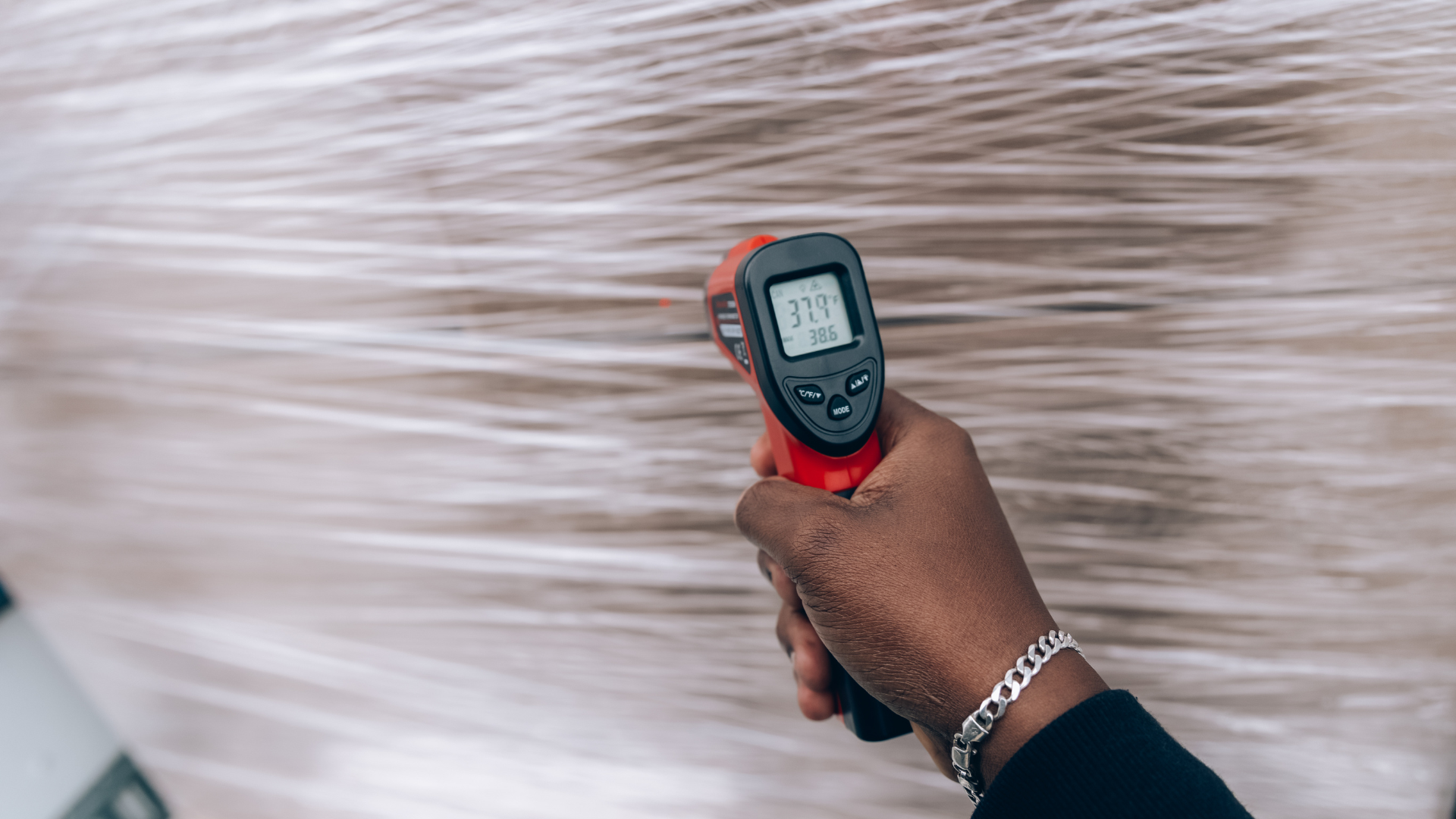
Temperature Mapping Inside a Refrigerated Box Truck
How a Spatial Temperature Profile Supports Vehicle Qualification and Loading Decisions Temperature mapping turns the interior of a refrigerated box truck into a measured space. Instead of evaluating the vehicle from one temperature location, the exercise identifies where the payload area tends to run hottest, coldest, or otherwise requires closer attention under defined test conditions. […]