



Between Plants and Co-Packers: Temperature-Controlled Transfers That Don’t Need a Full Trailer
15 Apr 2026
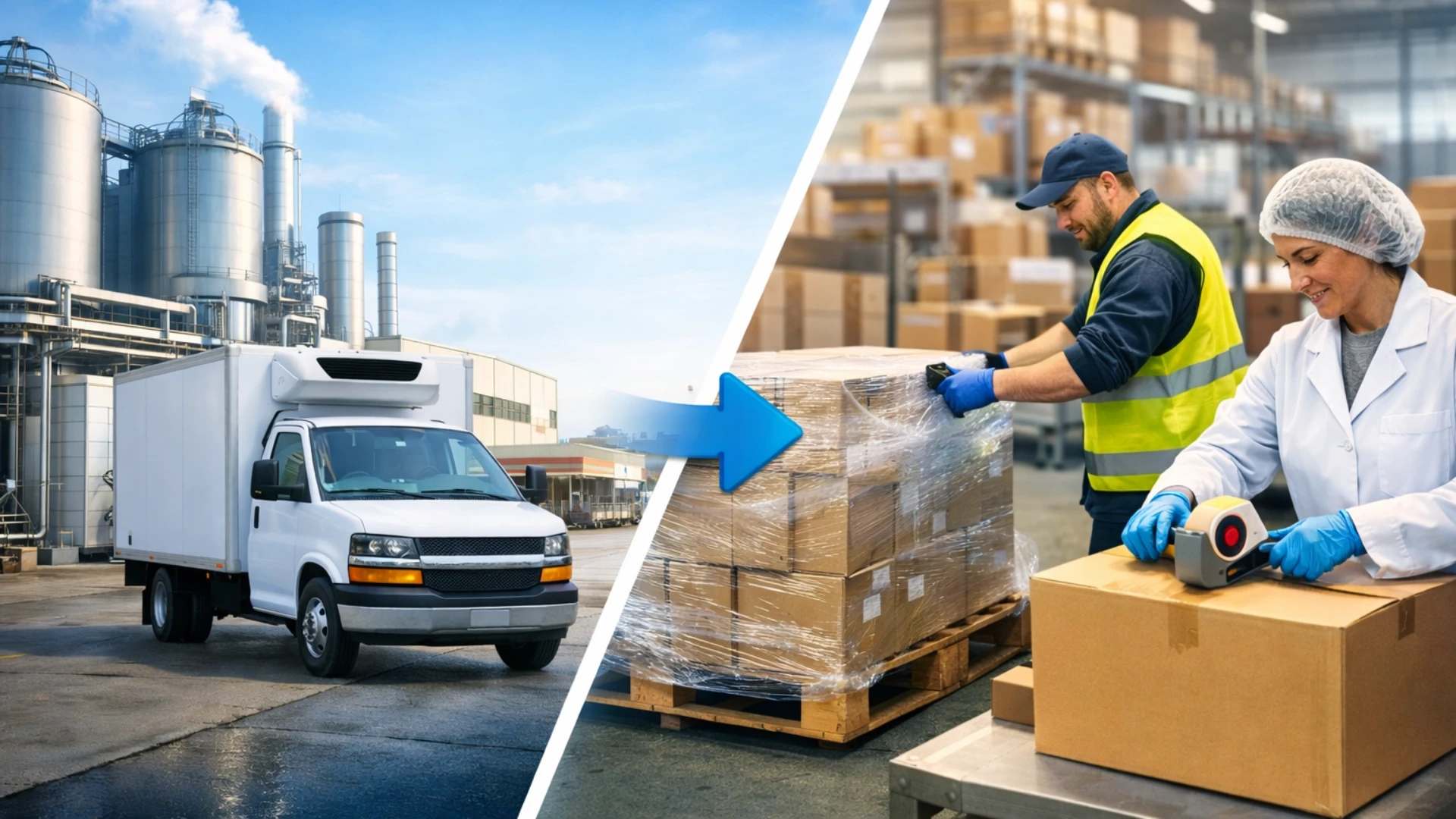
Not every temperature-controlled move is a store delivery or a full production run to a distribution center. Many of the most important shipments happen in between: from one plant to another, from a plant to a co-packer, or from a co-packer back into the next stage of production. In food manufacturing, co-packers produce or package products for another company, which means these transfers often sit inside a larger production workflow rather than a standard freight cycle.
These shipments are often too large for parcel, too urgent for standard less-than-truckload, and too small to justify a full trailer. They may involve ingredients, finished goods, packaging, samples, or replenishment inventory that has to arrive on time and within temperature range so the next process can continue without interruption.
That is where many companies face a gap in the market. The shipment is operationally important, but it does not fit the economics or service model of a 53-foot trailer.
Why These Transfers Are Hard To Manage
Plant-to-co-packer and plant-to-plant transfers usually run on production timing, not on a broad outbound shipping schedule. A delay can affect a packaging slot, a line changeover, a receiving appointment, or the availability of product for the next step.
Temperature adds another layer of difficulty. When freight is perishable or temperature-sensitive, the requirement is not only to move it quickly. It is to maintain the right condition during the move, limit unnecessary touches, and keep the shipment visible from pickup through delivery.
The challenge is that many of these loads are relatively small. A company may need only a few pallets moved on short notice. Paying for a full trailer can be wasteful, but using a mode with extra handling and loose transit control can create risk.
How Reefer Van Network Can Help
RVN’s network is built around temperature-controlled small truckload and expedited freight rather than large trailer moves. The company’s positioning centers on instant 24/7 access to a large network of small, temperature-controlled trucks, supported by real-time visibility, careful vetting, and dedicated capacity for time- and temperature-sensitive shipments.
1. Right-Sized Capacity For Smaller Temperature-Controlled Transfers
RVN operates a model built around dedicated temperature-controlled sprinter vans, box trucks, and straight trucks. That gives customers a practical option for smaller pallet counts, urgent replenishment, and scheduled interfacility transfers without forcing them into a larger trailer than the shipment requires. RVN’s strategy materials specifically frame this as a right-sized solution when full truckload is too large and too expensive.
2. Better Visibility During Production-Critical Moves
When a transfer is supporting production, visibility matters. Teams need to know where the shipment is, whether it is moving on schedule, and whether any delay requires action upstream or downstream.
RVN gives customers instant truck booking through its Customer Portal: the platform offers instant estimates, booking tools, and live tracking for refrigerated shipments, which is useful when a plant or co-packer move needs speed and clear oversight.
3. Temperature Control And Load-Handling Discipline
Small does not mean low-risk. In many interfacility moves, the shipment still needs the same discipline as a larger load.
For these interfacility moves, RVN presents temperature reporting, GPS visibility, and a strict load-handling protocol as core parts of its service model.
4. A Pool Of Thoroughly Vetted Carriers
Reefer Van Network relies solely on its internal network of carefully selected carriers and verified temperature-controlled capacity. No loadboards, no risks.
For plant-to-co-packer and plant-to-plant transfers, that matters because fewer unknowns in handling and clearer in-transit visibility make it easier to protect product integrity.
5. Regional And Longer-Distance Flexibility
Not every co-packer sits near the plant. Some transfers are local or regional; others cross multiple states. RVN’s positioning includes broad coverage across the lower 48, fast access to capacity, and 24/7 support, which makes it useful for both local transfers and urgent long-haul exceptions when a production schedule changes.
Key Takeaway
Between plants and co-packers, the transportation need is often straightforward: move a temperature-sensitive shipment quickly, keep it visible, and avoid paying for trailer capacity the load does not need.
That is where Reefer Van Network can be useful. Its model is designed around right-sized temperature-controlled transportation, real-time visibility, vetted capacity, and around-the-clock support. For companies managing plant-to-co-packer and plant-to-plant transfers, that makes RVN a practical option when the shipment matters too much for standard LTL, but does not require a full trailer.
Back to blogYou may also be interested in
Reefer Breakdown Recovery and Chain of Custody
Why recovery has to protect both the freight and the record of what happened A reefer breakdown changes more than the transportation plan. Once temperature control or vehicle movement is disrupted, the recovery process has to protect the freight while preserving a clear record of who controlled it, where it moved, and what conditions surrounded […]
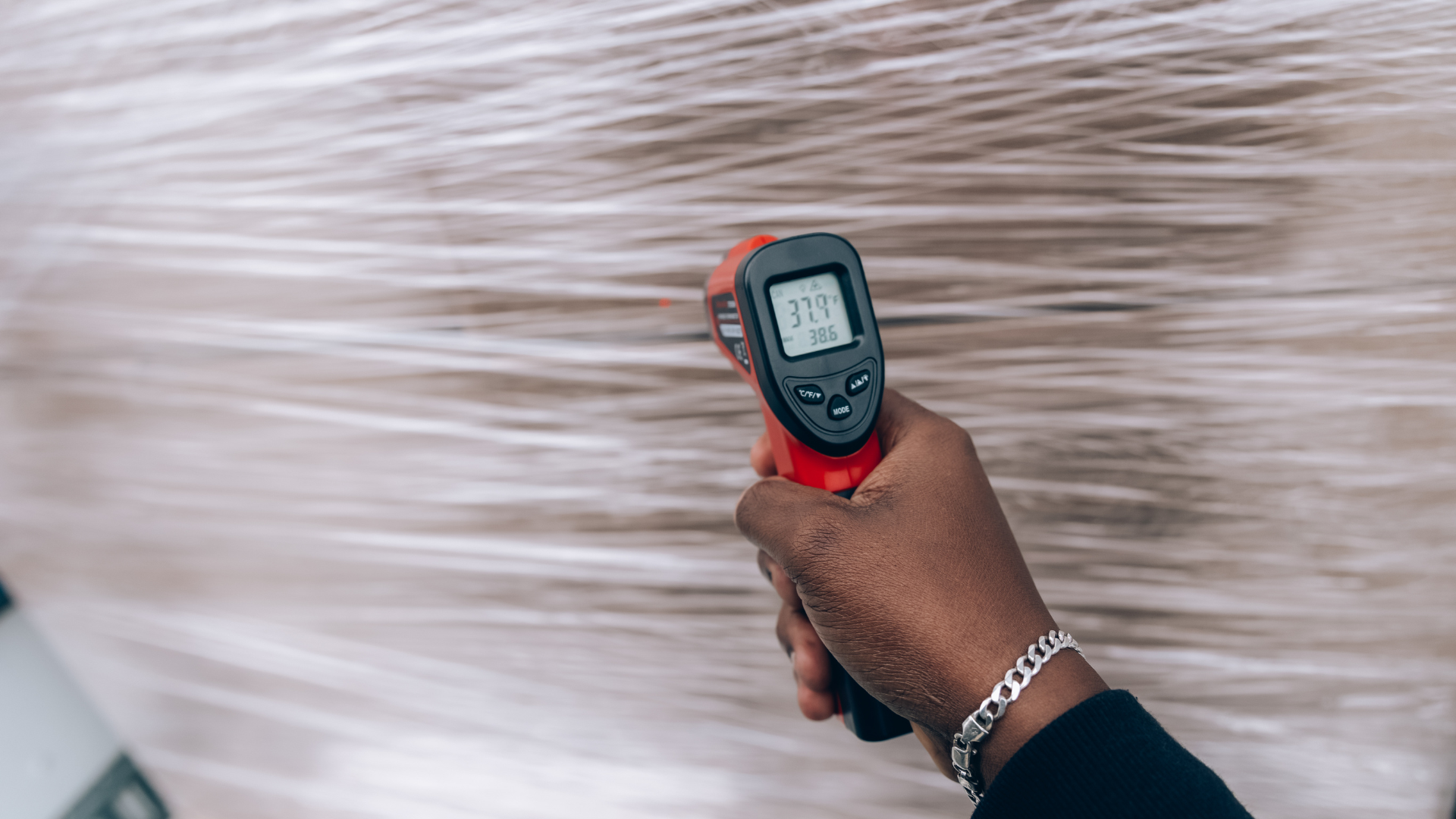
Temperature Mapping Inside a Refrigerated Box Truck
How a Spatial Temperature Profile Supports Vehicle Qualification and Loading Decisions Temperature mapping turns the interior of a refrigerated box truck into a measured space. Instead of evaluating the vehicle from one temperature location, the exercise identifies where the payload area tends to run hottest, coldest, or otherwise requires closer attention under defined test conditions. […]