



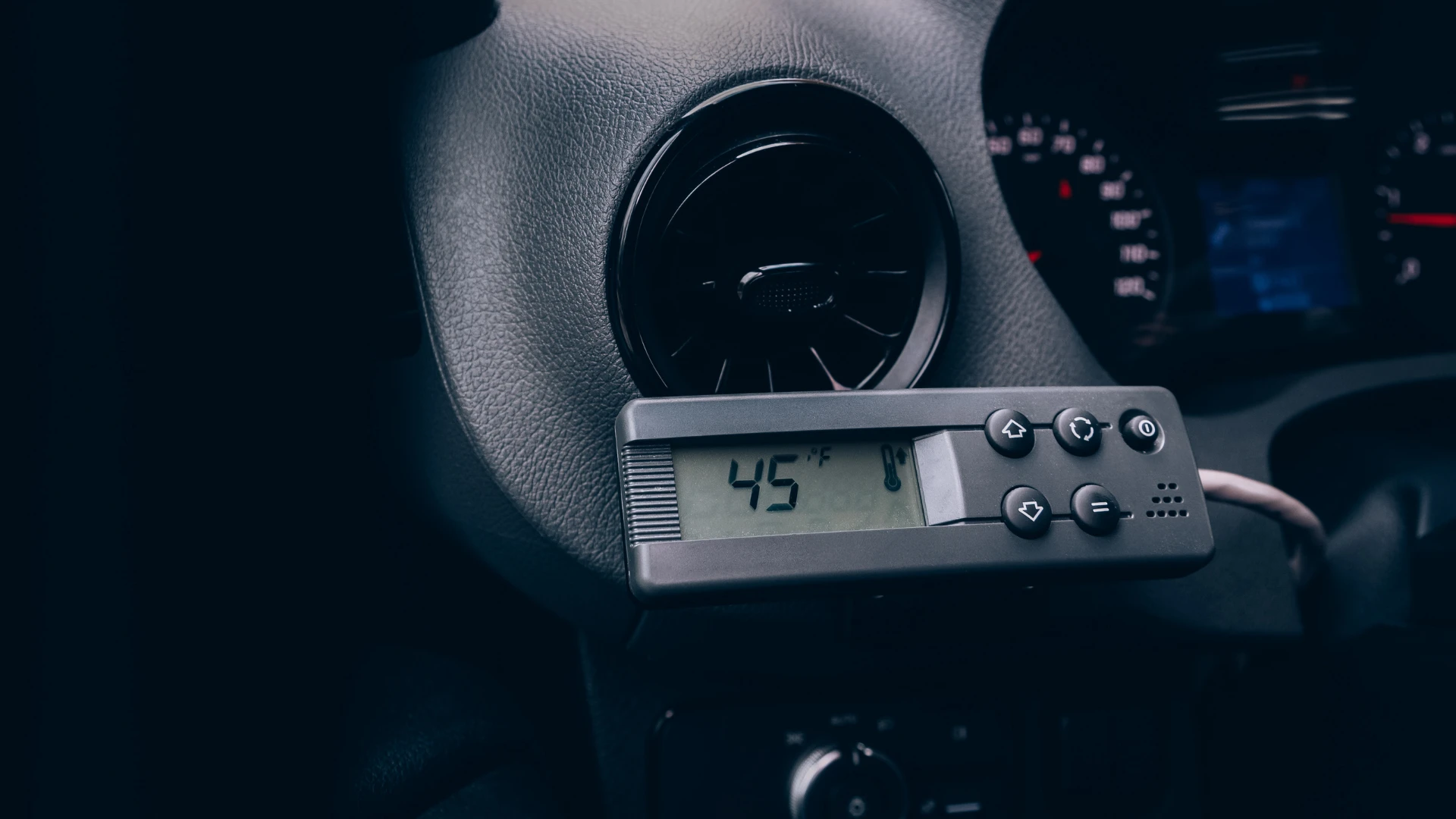
In temperature-controlled logistics, precision is never optional because it’s the foundation of product integrity. A few degrees off during transport can destroy thousands of dollars in high-value goods, compromise patient safety, or erode customer trust. These incidents, known as temperature excursions, are among the most preventable and most expensive risks in temperature-sensitive freight.
Whether you move pharmaceuticals, food, or other sensitive cargo, knowing what temperature excursions truly cost, and how to avoid them, can make the difference between running a profitable operation and losing ground to competitors who deliver consistency.
The True Cost of a Temperature Excursion
Temperature excursions can cause product loss and ripple through the entire logistics and supply chain ecosystem. Here’s where the damage shows up:
Product Losses That Hit Hard
When a product falls outside its allowable temperature range, it’s often deemed unsellable. A single trailer of spoiled produce or vaccines can result in $50,000 to $500,000 in losses, depending on the load. In the pharmaceutical sector, studies show that up to 25% of temperature-sensitive drugs are compromised before they reach the end user due to improper handling.
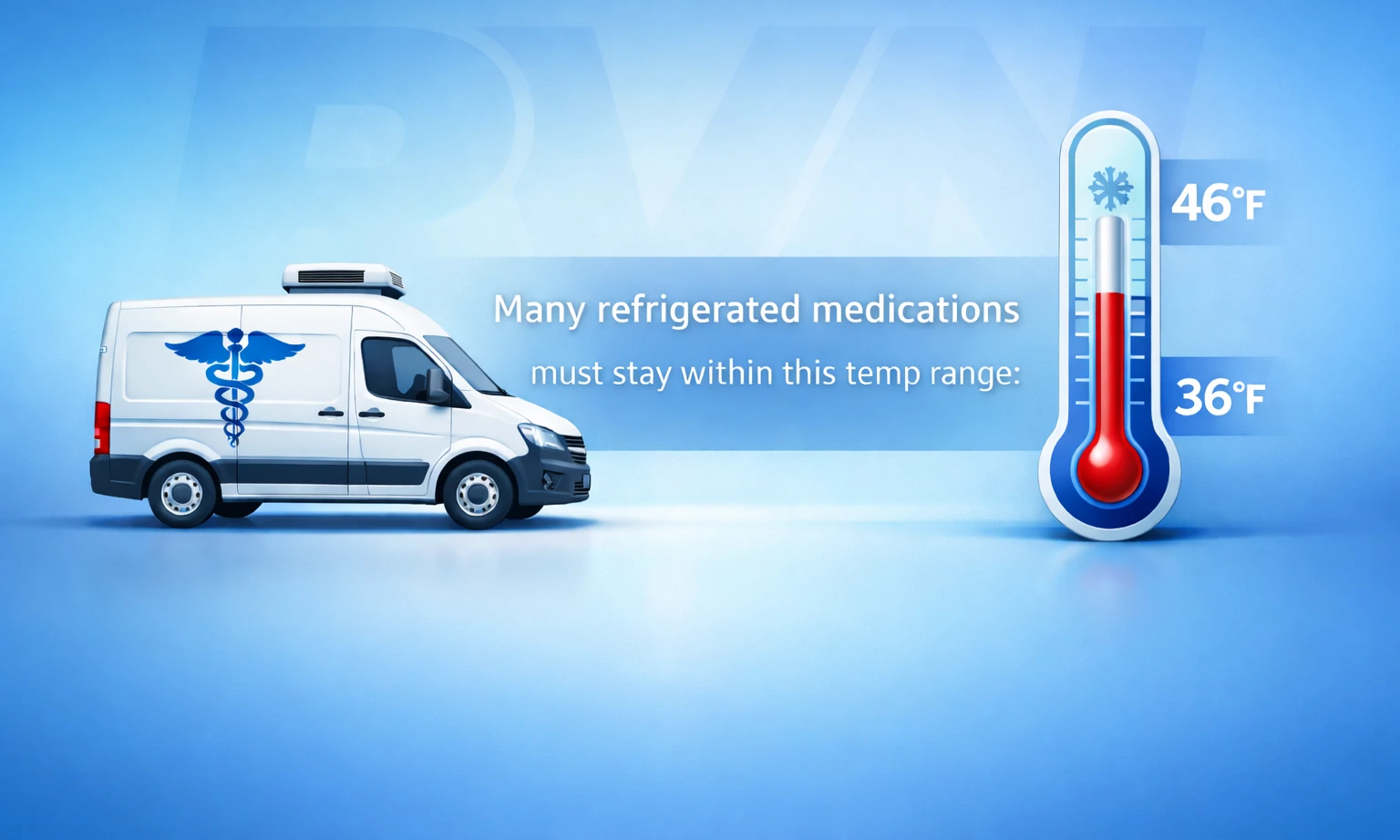
The FDA estimates the pharmaceutical industry loses $35 billion per year due to temperature-control failures. Many refrigerated medications must stay within 36°F–46°F (2°C–8°C), so even short deviations can turn an on-time delivery into a total loss.
Compliance Failures and Legal Exposure
Agencies like the FDA, CDC, and USDA require strict temperature records and handling documentation. Any deviation without proper traceability can lead to product recalls, shipment rejections, or even loss of certification for carriers and distributors.
Customer Dissatisfaction and Lost Contracts
Businesses expect reliability, especially when moving goods that can’t afford a temperature slip. A single excursion can destroy long-term relationships, push clients toward competitors, and leave lasting brand damage that no discount can fix.
Operational Disruption
Rejected loads mean re-shipping, delays, and labor hours lost to damage control. Every minute spent replacing spoiled goods or managing claims is a minute your team isn’t generating revenue.
What Causes Temperature Excursions?
Even with modern equipment, excursions happen when process discipline breaks down. Common culprits include:
- Poor pre-trip inspections or calibration lapses.
- Prolonged door openings during loading/unloading.
- Inconsistent setpoint management.
- Route detours or extended dwell times.
- Lack of real-time temperature visibility.
Preventing these issues requires both technology and trained people who understand how fragile temperature integrity can be.
How to Prevent Temperature Excursions
Avoiding costly temperature deviations comes down to vigilance, visibility, and trusted partnerships. Here’s how leading providers in temperature-controlled logistics keep freight in range:
Maintain and Calibrate Equipment Regularly
A well-maintained reefer unit is your first line of defense. Regular calibration, clean airflow channels, and tight door seals prevent hot spots and ensure even cooling throughout the trailer.
Leverage Real-Time Monitoring and Alerts
Continuous temperature tracking allows for instant response. When a reefer’s temperature starts drifting, live alerts give dispatchers and drivers time to adjust — before the load crosses a critical threshold.
Prioritize Trained, Experienced Drivers
Driver awareness makes or breaks temperature compliance. Professionals trained in loading techniques, airflow management, and proper unit operation reduce excursion risks by as much as 40% compared to untrained operators.
Plan for Precision
Route planning tools that account for fuel stops, weather shifts, and urban congestion help minimize exposure. Smart routing reduces unnecessary door openings and keeps reefer units running within optimal parameters.
Partner with Experts Who Specialize in Temp-Controlled Logistics
Not every carrier understands the stakes of cold freight. Reefer Van Network (RVN) specializes exclusively in temperature-controlled logistics, combining advanced monitoring systems, top-tier reefer equipment, and a nationwide network of trained drivers.
RVN ensures every temperature-sensitive shipment maintains compliance and product integrity, no matter the distance, time, or load type.
Why Choose RVN for Temperature-Controlled Freight
At RVN, we don’t just move freight — we protect it. Our operations are built around accountability, precision, and proactive control. Every load we move is backed by:
- Advanced reefer monitoring with real-time visibility
- Data logging and compliance documentation for every trip
- 24/7 support from temperature-trained dispatch teams
- Drivers trained in pharmaceutical, food, and biotech handling
- Nationwide capacity for time-critical and temperature-sensitive freight
With Reefer Van Network, temperature excursions don’t stand a chance. Your product arrives safe, stable, and compliant every time.
Back to blogYou may also be interested in

Fast Isn’t Enough: Ensuring Cold Freight Is Also Monitored and Documented
In temperature-controlled logistics, speed matters, but it’s not the whole story. When it comes to moving pharmaceuticals, produce, dairy, meat, or other perishable goods, how fast you deliver matters far less than how well you control, monitor, and prove your temperature compliance along the way. Even the fastest shipment can fail if it arrives compromised. […]
3 Reefer Network Gaps You Don’t Know You Have
In temperature-controlled logistics, every degree and every hour matter. Many businesses believe they’ve built strong reefer networks that can handle any demand, but the reality is that hidden inefficiencies often lurk beneath the surface. These gaps don’t always appear in daily operations, but when something goes wrong, such as a lane surge, a weather disruption, […]