



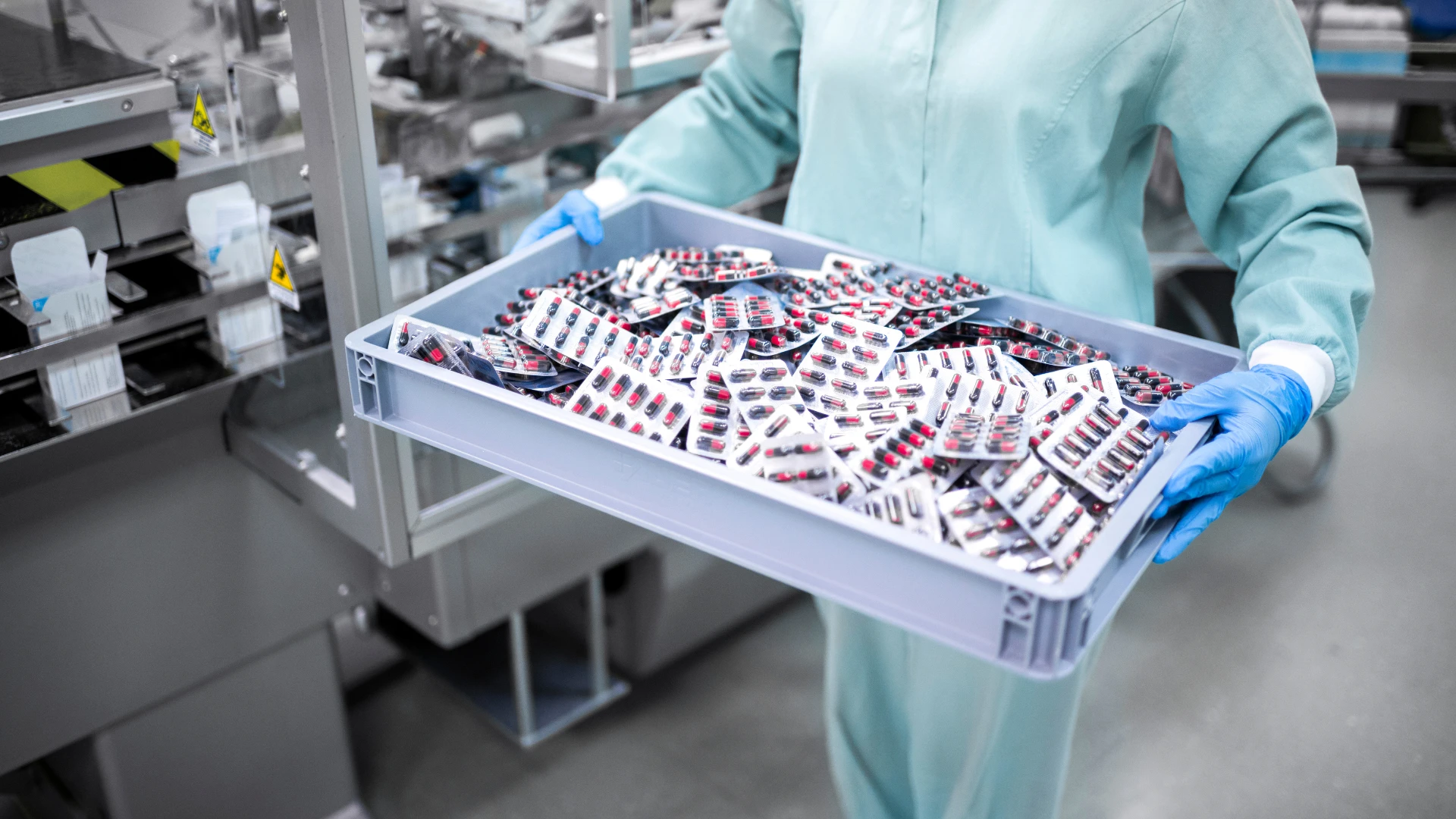
Pharmaceutical logistics is one of the most time- and temperature-sensitive segments of the supply chain. Delays, temperature excursions, or last-mile missteps can result in spoiled products, regulatory violations, and risks to patient health. As the need for agility and precision in pharma transportation grows, on-demand reefer vans are becoming a key solution. Here’s how these compact, responsive vehicles are tightening the pharma supply chain and why partnering with Reefer Van Network gives you the edge.
Why the Pharmaceutical Industry Relies on On-Demand Transportation
The pharmaceutical industry depends on speed, compliance, and reliability. Drugs, vaccines, biologics, and lab specimens often have strict temperature thresholds and short delivery windows. Traditional scheduled freight solutions can’t always keep up with emergency shipments, trial site restocks, or sudden changes in patient demand.
On-demand transportation steps in when:
- A hospital or pharmacy requires an urgent vaccine delivery.
- A clinical trial site needs refrigerated samples picked up within hours.
- A specialty medication must be delivered same-day across town.
Having access to transportation on your schedule, not the carrier’s, is what gives pharmaceutical providers a competitive advantage.
Reefer Vans as a Fast and Compact Solution for Pharma Delivery
Unlike large trucks or LTL carriers that stick to fixed routes, refrigerated vans offer flexible, point-to-point delivery with little to no delay. Their smaller size enables quick loading, easier navigation in urban or hospital zones, and faster turnaround times.
Key Advantages of Reefer Vans in Pharma Logistics:
- Temperature integrity. Vans maintain precise temperatures (e.g., 36–46°F for most vaccines), with real-time monitoring.
- Speed and agility. Ideal for short hauls and rapid response situations, especially in metro or suburban areas.
- Reduced risk of cross-contamination. Vans typically carry fewer loads, reducing product mixing and increasing cleanliness.
- Lower costs for short routes. Why pay LTL rates for a local run when a reefer van can do it faster and cheaper?
For pharmaceutical logistics, reefer vans fill the gap between large-scale cold freight and courier-level transport, offering the perfect balance of precision, scale, and responsiveness.
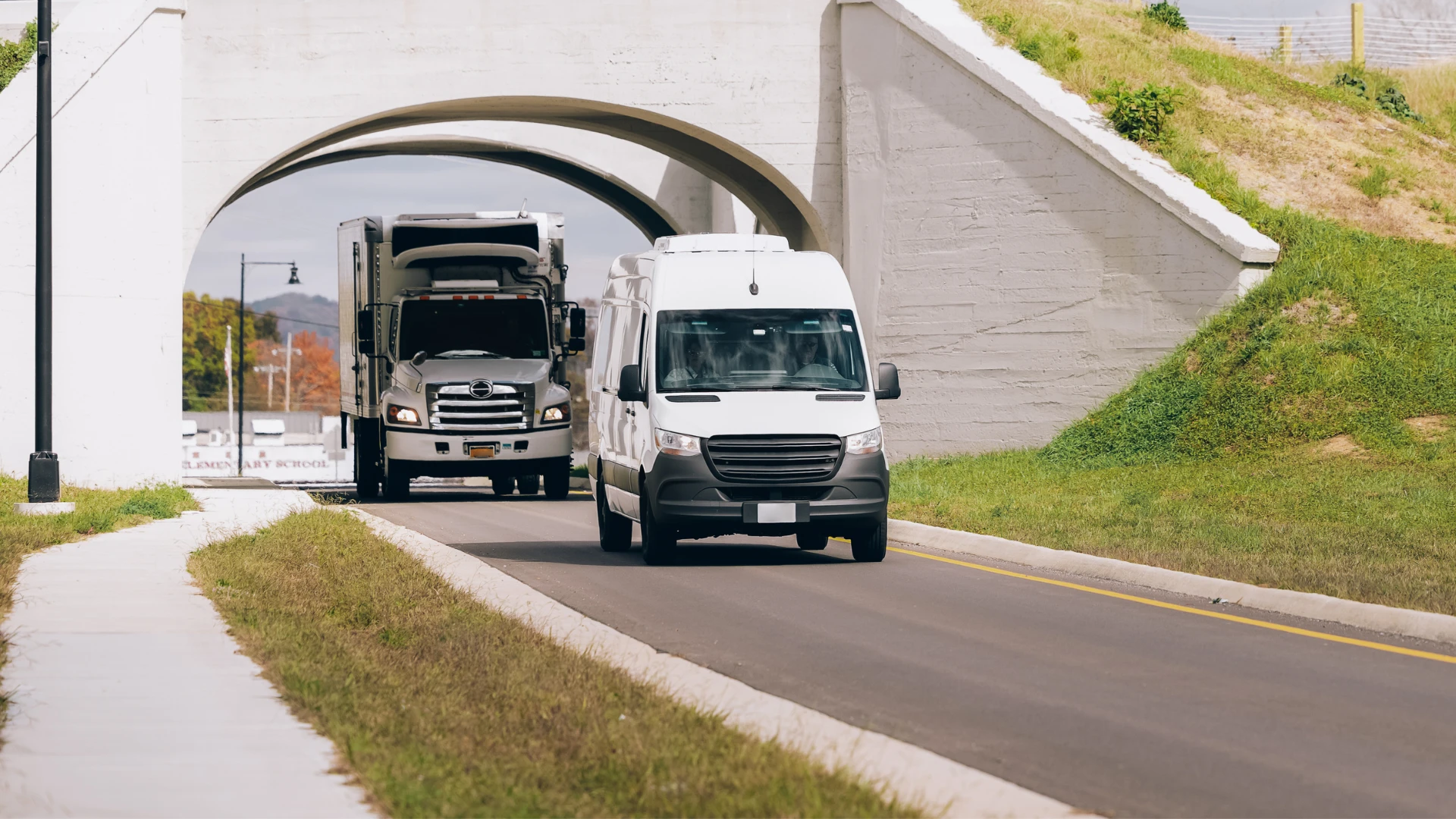
How Working with Reefer Van Network Will Benefit Your Pharmaceutical Business
Reefer Van Network specializes in on-demand refrigerated transportation tailored to sensitive industries, such as pharmaceuticals and healthcare. Whether you’re moving pallets of medication or a single high-value package, RVN offers dependable coverage and full compliance.
Benefits of Partnering with RVN:
- Nationwide on-demand fleet. Available when and where you need it, 24/7.
- GDP-compliant transport. Drivers trained to handle temperature-sensitive pharmaceutical goods.
- Live tracking & temperature monitoring. Transparency at every stage, with alerts for deviations.
- Quick response & scalable capacity. Scale up during product launches, vaccine campaigns, or emergencies.
By integrating RVN into your logistics strategy, you reduce delivery lead times, minimize compliance risks, and gain a reliable partner invested in the safety and efficacy of your products. In pharma logistics, every degree and every minute count. On-demand reefer vans are revolutionizing the industry by offering precision, speed, and control, particularly for short-haul and urgent deliveries. With Reefer Van Network as your logistics partner, you’re equipped to protect your cargo, your customers, and your bottom line.
Back to blogYou may also be interested in
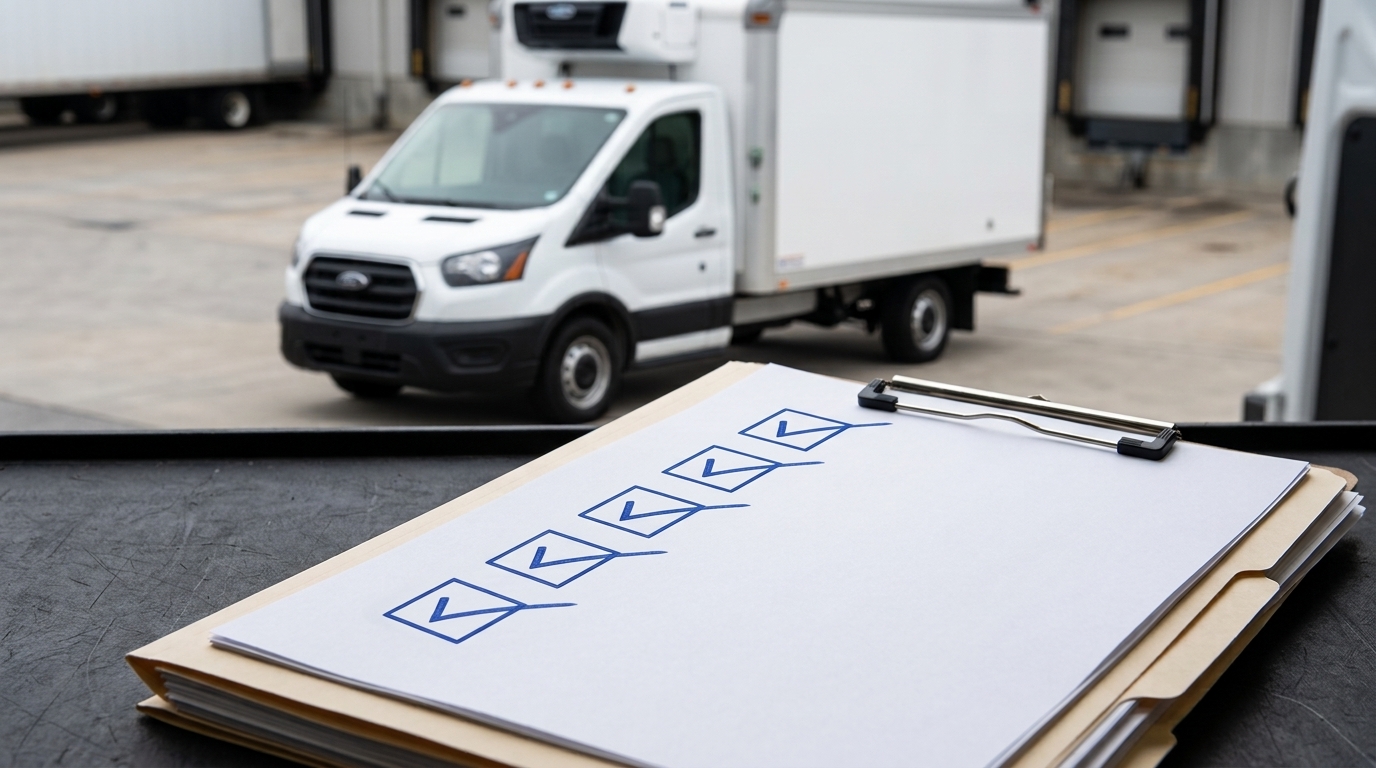
Reefer Breakdown Recovery and Chain of Custody
Why recovery has to protect both the freight and the record of what happened A reefer breakdown changes more than the transportation plan. Once temperature control or vehicle movement is disrupted, the recovery process has to protect the freight while preserving a clear record of who controlled it, where it moved, and what conditions surrounded […]
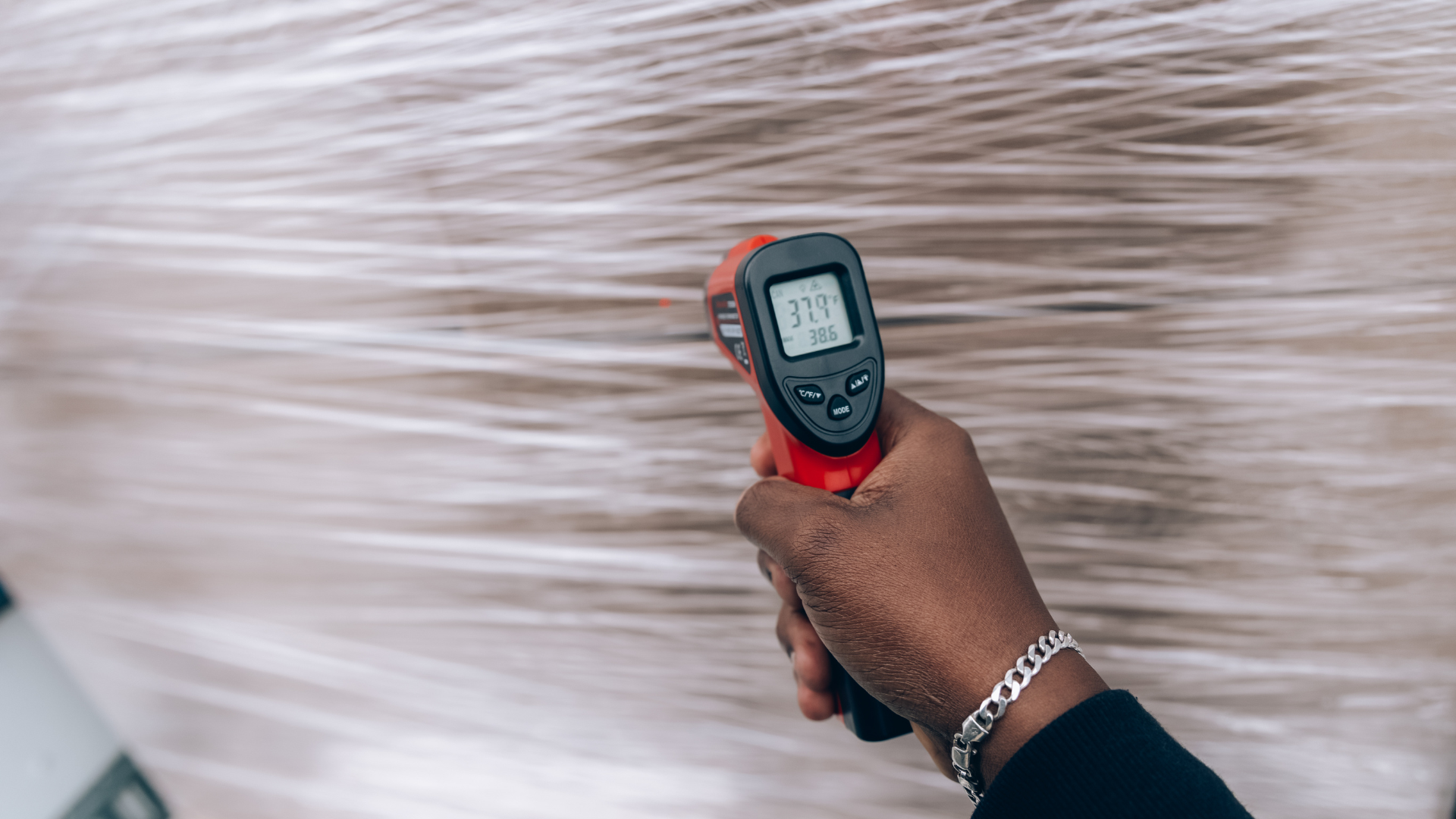
Temperature Mapping Inside a Refrigerated Box Truck
How a Spatial Temperature Profile Supports Vehicle Qualification and Loading Decisions Temperature mapping turns the interior of a refrigerated box truck into a measured space. Instead of evaluating the vehicle from one temperature location, the exercise identifies where the payload area tends to run hottest, coldest, or otherwise requires closer attention under defined test conditions. […]