



How Small Reefer Trucks Bridge Gaps in Intermodal Temperature-Controlled Logistics
21 Jan 2026
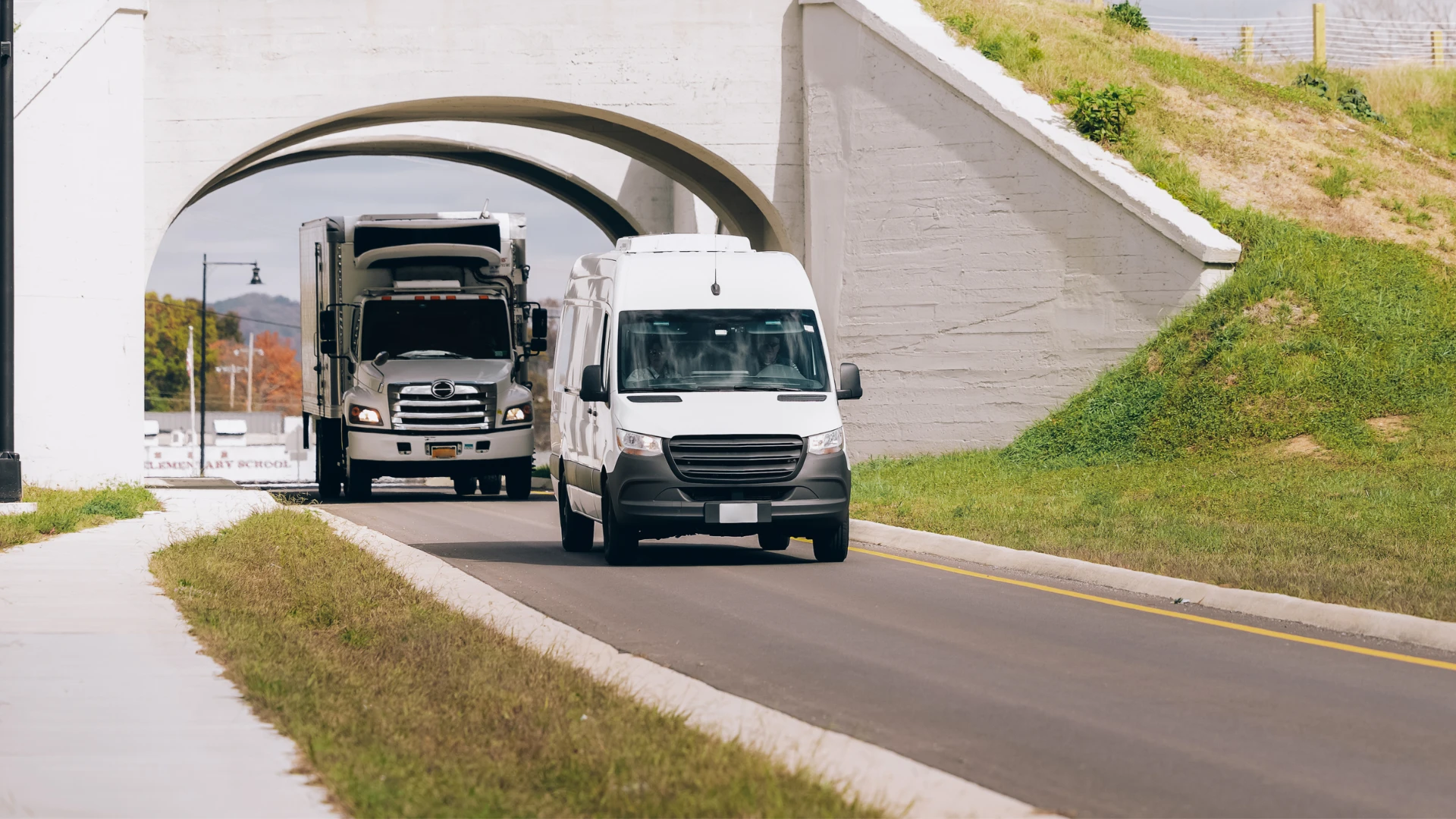
Global supply chains rely on intermodal shipping to move massive volumes of goods efficiently. Refrigerated containers travel thousands of miles by sea, long-haul reefers cover highways, and rail networks provide cost-effective overland transport. But temperature-controlled logistics is only as strong as its weakest link, and the most vulnerable points are often between those modes.
This is where small reefer trucks play a mission-critical role. By connecting ports, airports, rail hubs, warehouses, and end-users, they ensure sensitive cargo maintains integrity across every mile, even when the journey involves multiple handoffs.
Why Intermodal Temperature-Controlled Transport Needs Small Reefer Trucks
Intermodal transport creates efficiency but also complexity. Each transfer between modes, air, sea, rail, and road, is a potential risk point. Even a short lapse in temperature control can damage pharmaceuticals, shorten the shelf life of produce, or compromise seafood and dairy shipments.
Common temperature-controlled transport gap scenarios include:
- Airport to distribution center. Temperature-sensitive cargo must be moved quickly from the tarmac into controlled storage or trucks.
- Port to cold storage. Imports like frozen seafood need rapid transfer before container devanning.
- Rail to retail/DC. Long-haul refrigerated rail cars must be unloaded and redistributed by smaller vehicles.
- Urban delivery. Downtown hospitals, restaurants, or grocery stores often cannot receive a 53’ reefer trailer.
Without small reefer trucks to fill these short but critical legs, intermodal networks would collapse under the weight of inefficiency and spoilage risk.
The Flexibility Advantage
Small reefer trucks are the connective tissue of temperature-controlled logistics. They offer benefits that large trailers and containers cannot:
- Tighter delivery windows. Crucial for just-in-time (JIT) supply chains, especially pharmaceuticals and perishable foods.
- Urban accessibility. Maneuvering easily in congested metro areas or narrow delivery zones where larger units simply cannot go.
- Reduced dead miles. Optimized for short-haul and regional routes, minimizing wasteful repositioning.
- Dedicated runs. Many shippers prefer small reefers for direct, sealed transfers that minimize handling.
Technology Keeps the Chain Unbroken
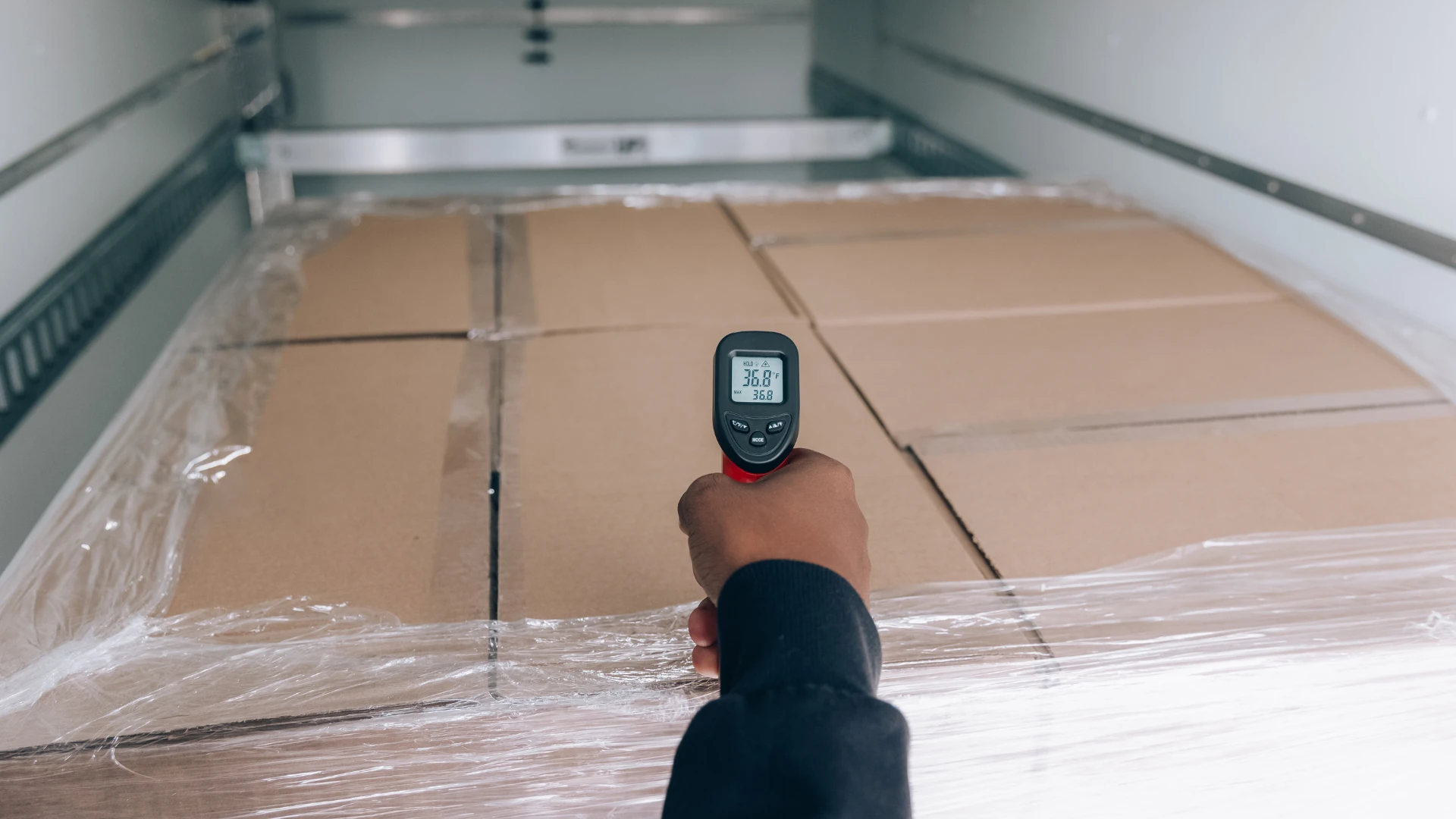
Today’s small reefer trucks are more than “mini trailers” as they are equipped with sophisticated temperature-controlled technology:
- Real-time temperature monitoring. Allowing shippers and brokers to track conditions en route.
- Multi-temperature compartments. Supporting mixed loads of frozen, chilled, and ambient products in one trip.
- GPS & telematics. Ensuring visibility for both timing and compliance.
- Automated alerts. Notifying operators of any deviation before a shipment is compromised.
For industries under strict regulatory oversight, such as pharmaceuticals (FDA compliance) or food distribution (FSMA standards), this technology is not optional; it’s essential.
Industry Examples
- Pharmaceuticals: Air freight delivers critical medicines to a regional hub, but small reefer vans ensure they reach hospitals or pharmacies within hours, not days.
- Seafood: Imported fish arrives frozen in reefer containers at a port. Small reefer trucks distribute it to regional cold storage facilities before it goes to retailers.
- Grocery Chains: Rail brings fresh produce from California to Midwest distribution centers, but small reefers handle the final stretch to local stores.
Each of these handoffs represents a point of potential failure, unless a reliable small reefer fleet is in place.
RVN’s Role in Closing the Gaps
At Reefer Van Network (RVN), we understand that intermodal efficiency is meaningless if the temperature-controlled logistics breaks at the handoff stage. That’s why we’ve built a fleet designed to handle:
- Urgent airport-to-warehouse transfers for pharmaceuticals, perishables, and lab samples.
- Final-mile refrigerated deliveries into dense urban areas where large trailers cannot go.
- Expedited regional runs connecting ports, rail yards, and cold storage facilities.
Our nationwide coverage and flexible vehicle sizes mean RVN is a carrier that ensures the temperature-controlled logistics stays unbroken.
Conclusion
Intermodal logistics is the backbone of global trade, but temperature-controlled logistics makes it or breaks it by how well they handle the shortest legs of the journey. Small reefer trucks might not cover the longest miles, but they protect the most critical ones.
From ports to hospitals, rail yards to retail, RVN ensures that sensitive products remain cold, compliant, and on schedule, every mile, every handoff, every time.
Back to blogYou may also be interested in

Passover Food Transportation with Reefer Van Network
Passover food is not just another seasonal commodity. The Passover production window is a short, high-stakes period where product status, timing, handling, and temperature control all matter at once. Production runs are tightly scheduled. Inventory windows are narrow. And everything must be done on time. Seders cannot be adjusted to supply chain delays. That is […]

Fast Isn’t Enough: Ensuring Cold Freight Is Also Monitored and Documented
In temperature-controlled logistics, speed matters, but it’s not the whole story. When it comes to moving pharmaceuticals, produce, dairy, meat, or other perishable goods, how fast you deliver matters far less than how well you control, monitor, and prove your temperature compliance along the way. Even the fastest shipment can fail if it arrives compromised. […]