




The fourth quarter is one of the most challenging and fast-moving times in the logistics calendar. Between peak holiday demand, end-of-year retail pushes, and the unpredictability of weather events, customers face mounting pressure to keep freight moving without compromising on quality or compliance. For refrigerated freight, especially in Q4, seasonal produce, frozen goods, and pharmaceuticals must arrive on time and at the right temperature.
That’s why customers are highly selective when choosing reefer partners during this season. Reliability, communication, and adaptability are essential for success. They’re the difference between securing repeat business and losing the load entirely.
Below, we’ll break down what customers need most from reefer partners in Q4 and how carriers can position themselves as indispensable allies.
Understanding Q4 Pressures in Refrigerated Freight
Q4 freight demand is unlike any other time of the year. Several factors converge to tighten reefer capacity and strain customer relationships:
- Holiday retail surge. Frozen and refrigerated goods tied to grocery retail and food service spike, often doubling or tripling demand.
- Weather risks. Storms, snow, and freezing temperatures create delays and increase the risk of temperature excursions.
- Tight capacity. Reefer trucks are in higher demand not just for food but also for pharmaceuticals and seasonal imports.
- Year-end deadlines. Retailers, manufacturers, and distributors all push to clear contracts and hit financial year targets.
For customers, these pressures mean they cannot afford to rely on unreliable partners. One mistake, a missed appointment, a reefer breakdown, or a temperature violation can jeopardize customer trust and lead to chargebacks.
What Customers Expect from Reefer Partners in Q4
Reliable Capacity and Availability
Customers want carriers who can commit to loads during high-demand weeks. Having a flexible schedule and the ability to cover short-notice or last-minute freight makes a reefer partner more valuable.
Equipment Readiness and Maintenance
No customer wants to hear that a reefer unit failed mid-route. Preventive maintenance, clean trailers, and fuelled, calibrated units are table stakes in Q4. Customers may even request proof of recent service records.
Temperature Compliance and Documentation
Whether it’s ice cream that must stay at –20°F or pharmaceuticals locked in a 36–46°F range, customers expect strict adherence to temperature protocols. Downloadable reefer logs or remote monitoring access adds peace of mind.
Strong Communication
Real-time updates are a lifeline. Customers want partners who proactively communicate delays, weather issues, or access challenges. Silence is the fastest way to lose trust.
Flexibility with Routing and Timing
Detours and delays are part of Q4 life. Customers prioritize reefer partners who can adapt, whether rerouting around weather or adjusting to extended dock times.
Scalability for Surge Loads
As demand spikes, customers look for carriers who can scale up, adding extra trucks, teams, or leveraging partner networks. Those who show surge capacity win more bids.
Commitment to On-Time Performance
Late deliveries can ruin a seasonal shipment. Customers expect on-time delivery rates to remain high, even during congested weeks.
How Reefer Partners Can Stand Out This Season
To become a customer’s go-to partner in Q4, reefer carriers should:
- Invest in monitoring technology for visibility and assurance.
- Offer transparent pricing that accounts for Q4 challenges but avoids hidden surprises.
- Prepare contingency plans for weather, breakdowns, or capacity shortages.
- Strengthen customer relationships by prioritizing repeat shippers and showing consistency, load after load.
When brokers see reliability backed by data and proactive communication, they’ll funnel more loads your way.
Conclusion
Q4 is not forgiving, especially for customers balancing tight shipper demands with limited reefer capacity. For carriers, this is both a challenge and an opportunity. By providing reliable equipment, consistent updates, and surge readiness, reefer partners can become indispensable to customers navigating the busiest season of the year.
Back to blogYou may also be interested in
Reefer Breakdown Recovery and Chain of Custody
Why recovery has to protect both the freight and the record of what happened A reefer breakdown changes more than the transportation plan. Once temperature control or vehicle movement is disrupted, the recovery process has to protect the freight while preserving a clear record of who controlled it, where it moved, and what conditions surrounded […]
Temperature Mapping Inside a Refrigerated Box Truck
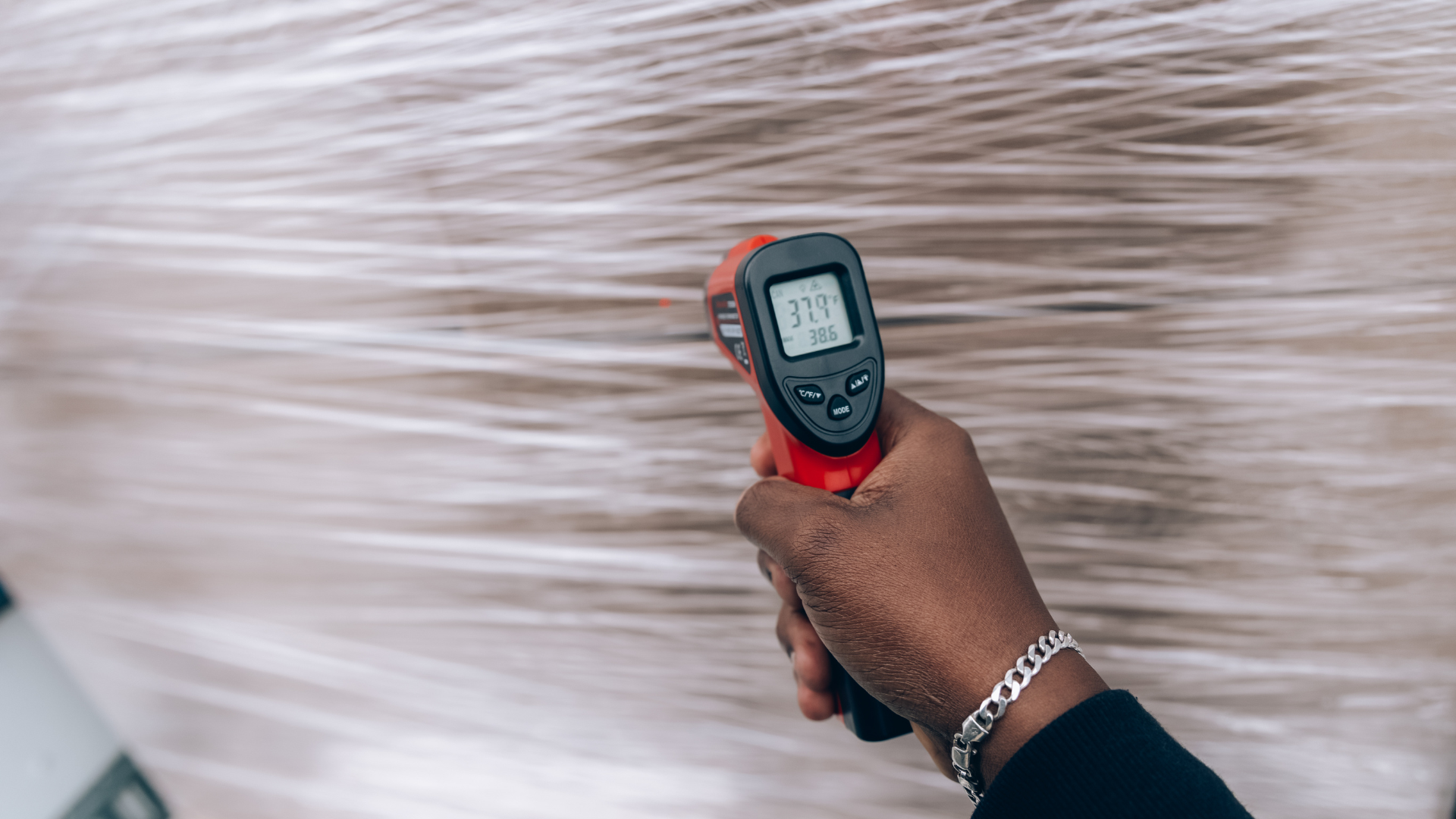
How a Spatial Temperature Profile Supports Vehicle Qualification and Loading Decisions Temperature mapping turns the interior of a refrigerated box truck into a measured space. Instead of evaluating the vehicle from one temperature location, the exercise identifies where the payload area tends to run hottest, coldest, or otherwise requires closer attention under defined test conditions. […]